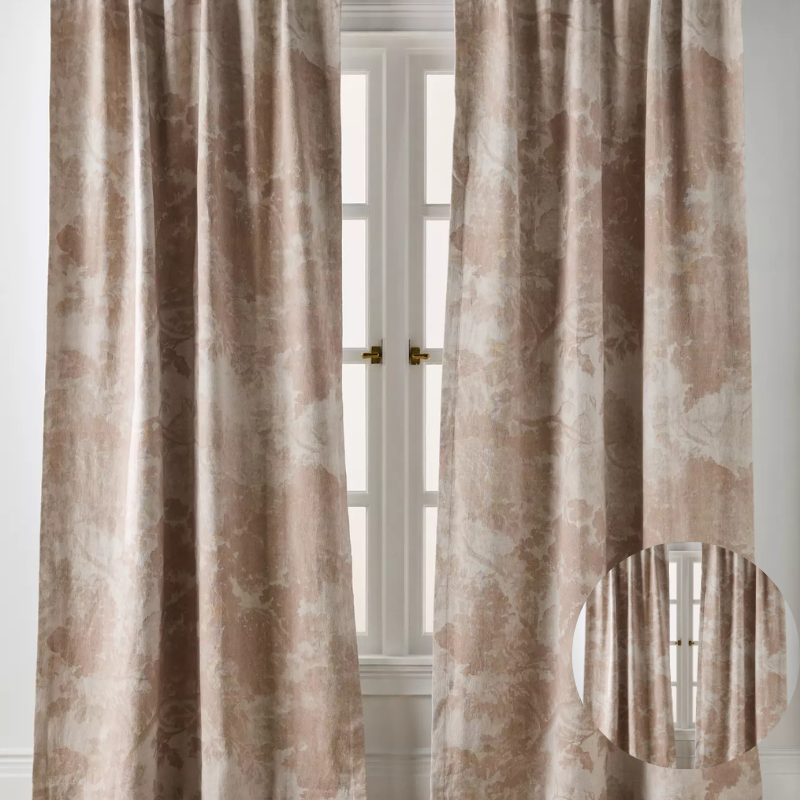
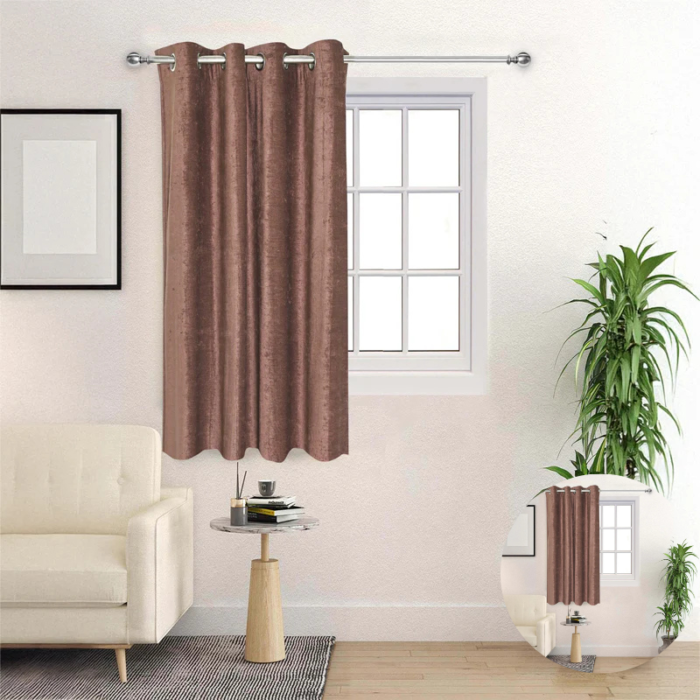
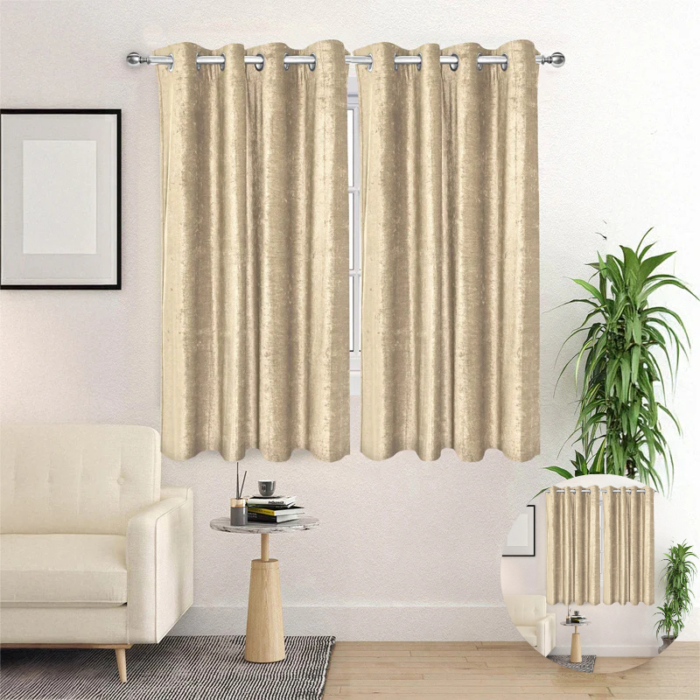
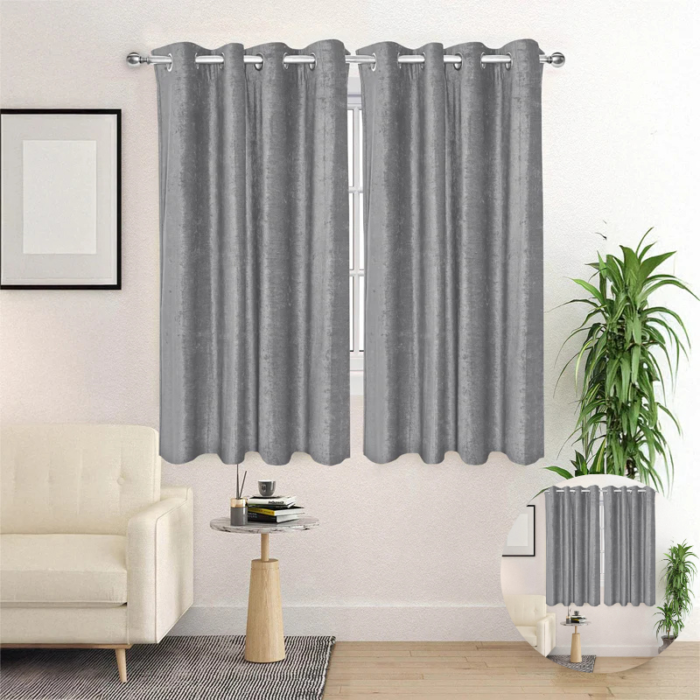
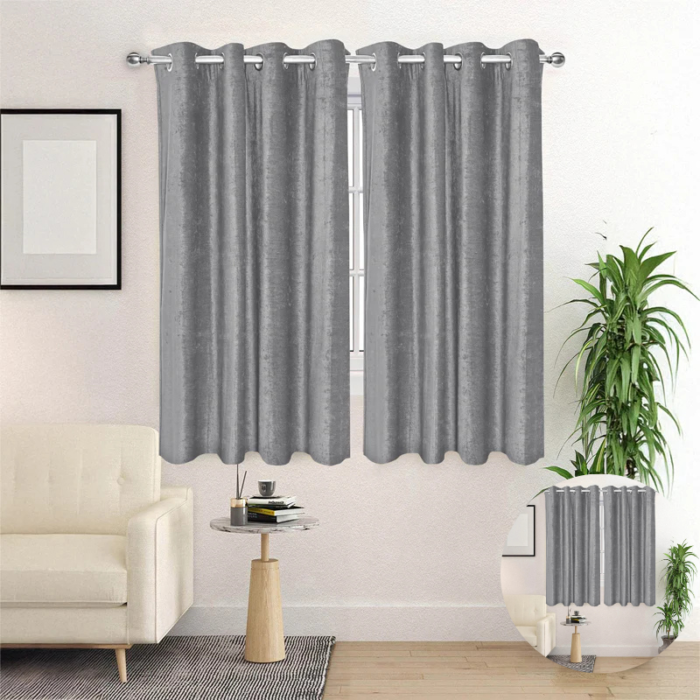
Give a living room a warmer, more grounded look with the soft texture and substantial drape of a cotton-linen blend. The sepia tone works especially well when you want window treatments that feel natural, relaxed, and finished rather than overly formal
$39.95
A living room can feel cold when the windows are treated as an afterthought. The Cotton Linen Sepia Living Room Blackout Curtains bring a warmer visual balance to the space, pairing an earthy sepia tone with a fabric that has the soft, substantial drape homeowners usually want from a more relaxed window treatment. They are a natural fit for rooms where you want the windows to feel connected to the rest of the furnishings rather than standing out as a separate decorative element.
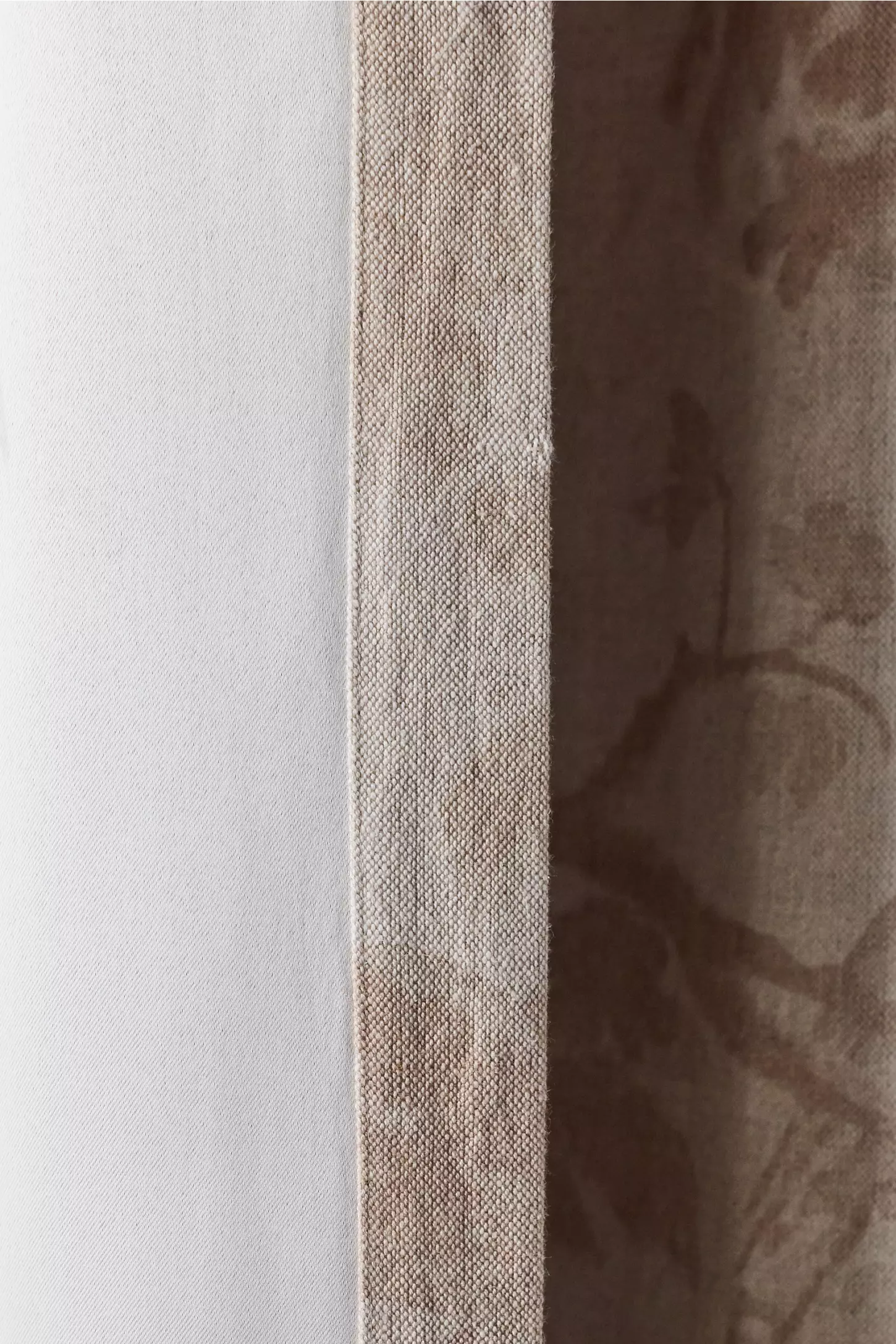
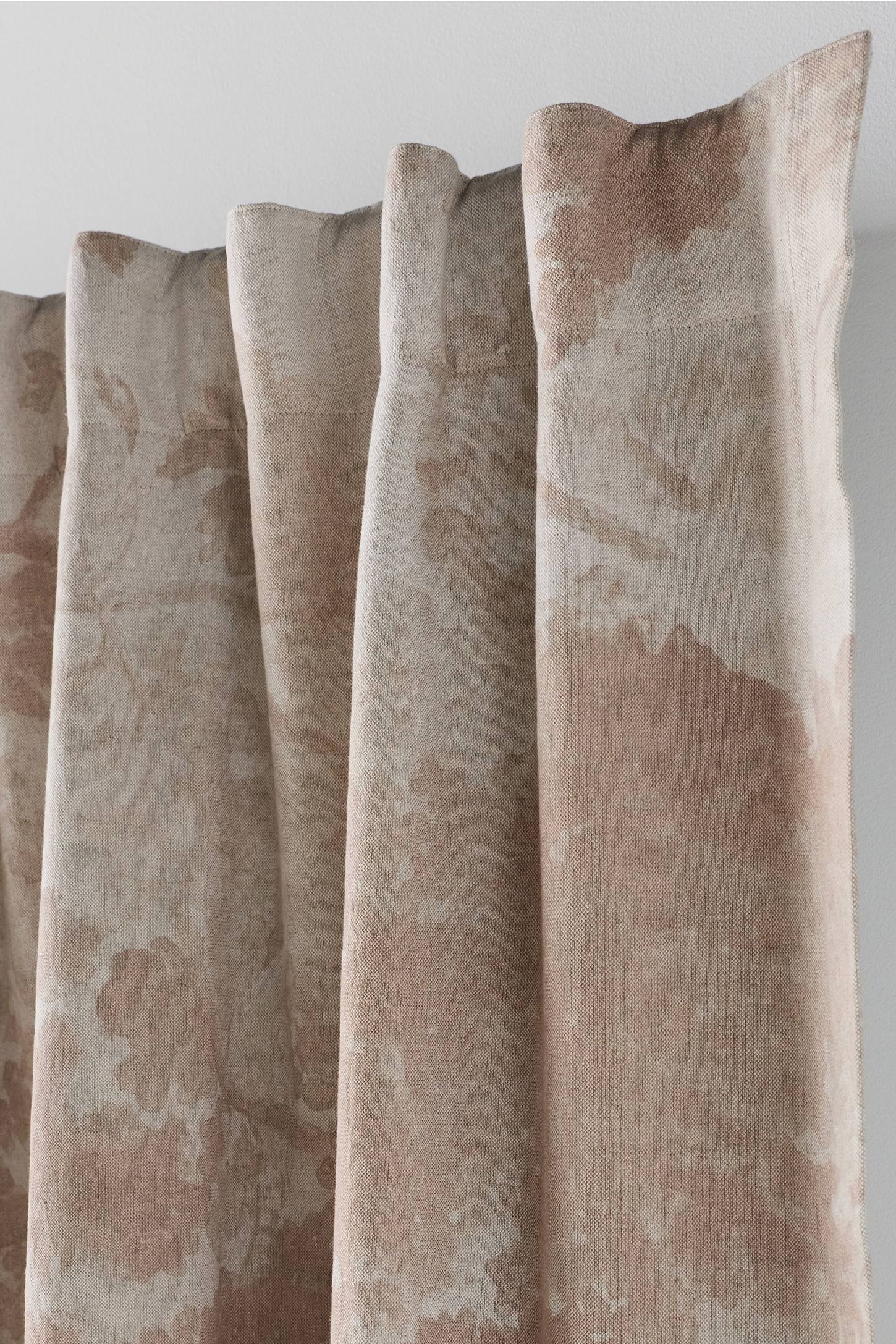
The cotton-linen blend gives the curtain a textile-forward appearance and a fuller presence at the window. The sepia shade is especially useful with warm neutrals, wood furniture, cream upholstery, and other natural finishes. As a blackout curtain, this style is also suited to living rooms where controlling incoming light and creating a more comfortable, private setting matters.
At $39.95, this curtain offers an easy way to introduce a warmer fabric look without making the window treatment feel overly formal. Check your window dimensions before ordering and plan your panel arrangement around the width you need to cover.
We have a lot of wood tones in our living room and the sepia works really well with them. It doesn't feel yellow or overly brown in the space.
The fabric has a nice weight to it. I was expecting something a little lighter, so it took me a day to get used to the fuller drape. Once the folds relaxed, I really liked the way they hung.
I put the sepia curtains in our living room with an ivory sofa and oak coffee table, and the color ended up being exactly the warm neutral I was looking for. They made the windows feel much more finished.
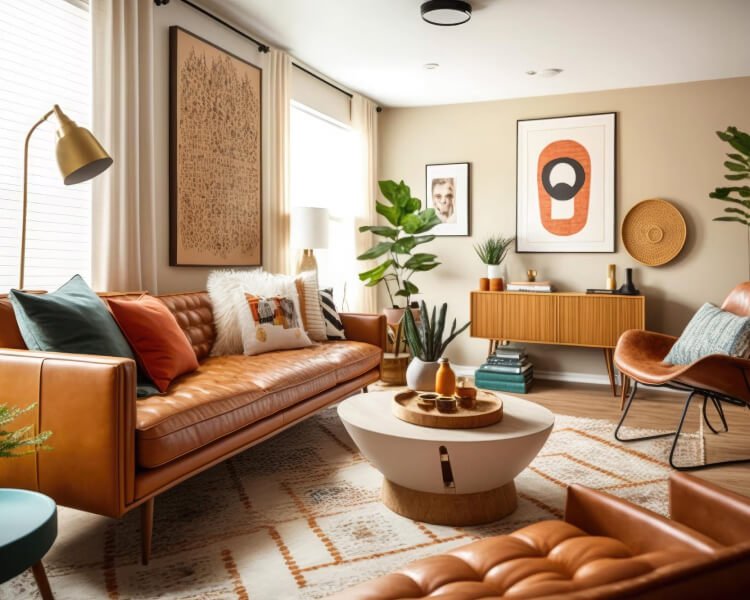
Sepia looks particularly natural beside warm white, ivory, beige, taupe, and light brown walls. If your living room already has oak, walnut, rattan, leather, or other wood-toned pieces, the curtain can tie those finishes together without creating a strong color contrast.
For the rod, I would keep the finish understated. Antique brass, bronze, matte black, or warm wood tones can all work, depending on the rest of the room. The key is to coordinate the rod with existing hardware instead of introducing a completely unrelated metal.
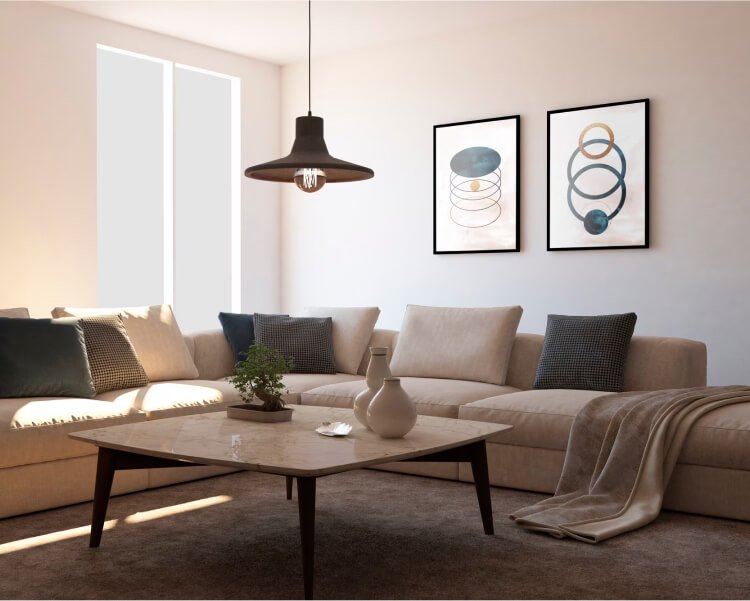
In an open-concept living and dining area, sepia can help create a visual transition between the seating area and the windows. Pair it with a cream sofa, textured rug, and natural wood coffee table for a relaxed look.
Because the color is muted rather than bright, it can sit comfortably behind patterned cushions or artwork without competing for attention. During daylight, expect the fabric’s natural-looking blend and warm tone to read clearly. Under lamps in the evening, the sepia shade can feel deeper and cozier.
For a smaller room, avoid making the curtain installation feel cramped around the window. When the layout allows, position the rod high enough to give the window more vertical presence and allow the curtain to fall cleanly toward the floor.
If the curtain is being used beside a sofa or other furniture, check that the fabric can hang freely rather than bunching behind the furniture. A clean fall will make the substantial drape look intentional instead of crowded.

Because this curtain uses a cotton-linen blend, care should be based on the product’s actual care label rather than assuming it can be treated like ordinary synthetic curtains. Follow the manufacturer’s washing or cleaning instructions supplied with the product.
One practical tip: if the curtains arrive with shipping folds, don’t immediately judge how they will look on the window. Hang them fully first and allow the fabric to relax. For stubborn creases, use the care-label-approved steaming or pressing method and avoid excessive heat that could affect the blend.
When spot-cleaning is appropriate according to the care instructions, work gently and avoid aggressively rubbing one small area, which can make the cleaned section look different from the surrounding fabric.
Yes. The muted sepia color makes them easy to coordinate with adjoining dining or kitchen areas, especially when the space uses warm neutrals and natural materials.
They are sold as blackout curtains, making light control one of their intended functions. The exact amount of light blocked can depend on installation, window conditions, and how much coverage is provided.
Sepia is a warm, earthy shade that sits comfortably around brown, tan, and muted neutral tones. It works particularly well with cream, beige, ivory, and natural wood finishes.
The blend has a soft, substantial drape with a more natural textile appearance than a lightweight, purely synthetic-looking curtain.
Yes. They are specifically designed as living room blackout curtains, and the sepia color works well with warm neutral, natural, and wood-based interiors.
I wanted something softer looking than a plain solid curtain. The cotton-linen blend gives the window more texture, and the sepia shade looks especially nice once the lamps are on in the evening.