
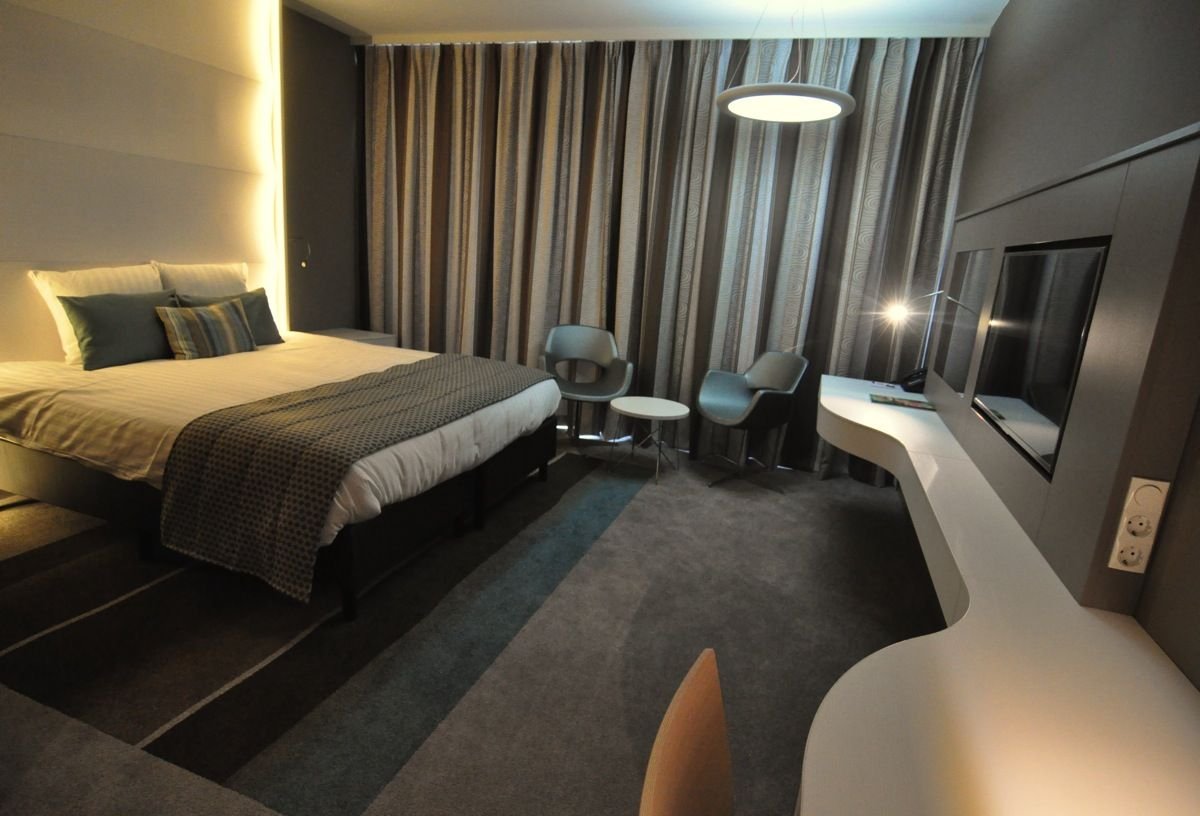
A bedroom that looks comfortable during the day can become surprisingly disruptive at night. Streetlights, headlights, early morning sunlight, bright signs, and even light coming through gaps around your curtains can make it harder to maintain a truly dark sleeping environment.
That is where blackout curtains for better sleep can make a difference.
Blackout curtains are designed to block or significantly reduce incoming light, helping create a darker bedroom at night and in the early morning. This can be particularly useful for light-sensitive sleepers, people living in brightly lit urban areas, and shift workers who need to sleep during daylight hours.
But do blackout curtains actually help you sleep better? And what should you look for when choosing them?
Let’s take a closer look.

Why Darkness Matters for Sleep
Your body uses light and darkness as important signals for regulating its sleep-wake cycle, also known as the circadian rhythm.
Bright light tells your brain that it is time to be awake, while darkness helps signal that it is nighttime and that the body should prepare for sleep.
This is one reason your sleeping environment matters.
If light enters your bedroom throughout the night or early in the morning, it can make your environment less conducive to sleep. For some people, even relatively small amounts of light can be distracting enough to cause difficulty falling asleep or waking earlier than intended.
Blackout curtains can help by creating a consistently darker environment.
What Are Blackout Curtains?
Blackout curtains are window coverings made with tightly woven fabrics, special linings, or multiple layers designed to block outside light.
Unlike ordinary curtains, which may soften sunlight but still allow considerable light into a room, blackout curtains are specifically designed for maximum light reduction.
Depending on the product and installation, blackout curtains can help reduce:
- Streetlights
- Headlights
- Morning sunlight
- Outdoor security lights
- Light from neighboring buildings
- Bright signs and commercial lighting
- Reflections from nearby windows
The amount of light blocked depends on the fabric, lining, curtain construction, color, window size, and—very importantly—the gaps around the curtain.
Can Blackout Curtains Actually Help You Sleep Better?
For people who are sensitive to light, blackout curtains can be a simple way to improve the sleeping environment.
The biggest benefit is not necessarily that blackout curtains “make you sleep” but that they can remove an environmental source of disruption.
A darker room may make it easier to maintain a consistent sleep environment, particularly when outside light is a problem.
This can be especially helpful if you:
- Wake up when sunlight enters the room
- Live near a busy street
- Have streetlights directly outside your bedroom
- Work night shifts
- Sleep during the daytime
- Have a bedroom with large windows
- Are sensitive to light while sleeping
- Live in a city with significant nighttime light pollution
Blackout Curtains and Light Pollution
Light pollution is often associated with cities, where artificial light from streets, buildings, vehicles, businesses, and outdoor signs can brighten the nighttime environment.
Your bedroom may be dark enough to feel comfortable, but that does not necessarily mean it is completely protected from outdoor light.
For example, a bedroom facing a busy road may receive:
Streetlight → window → bedroom
or:
Car headlights → window → sleeping area
Even if the light only appears for a few seconds, repeated exposure can become annoying for light-sensitive sleepers.
Blackout curtains can provide a physical barrier between your bedroom and these external light sources.
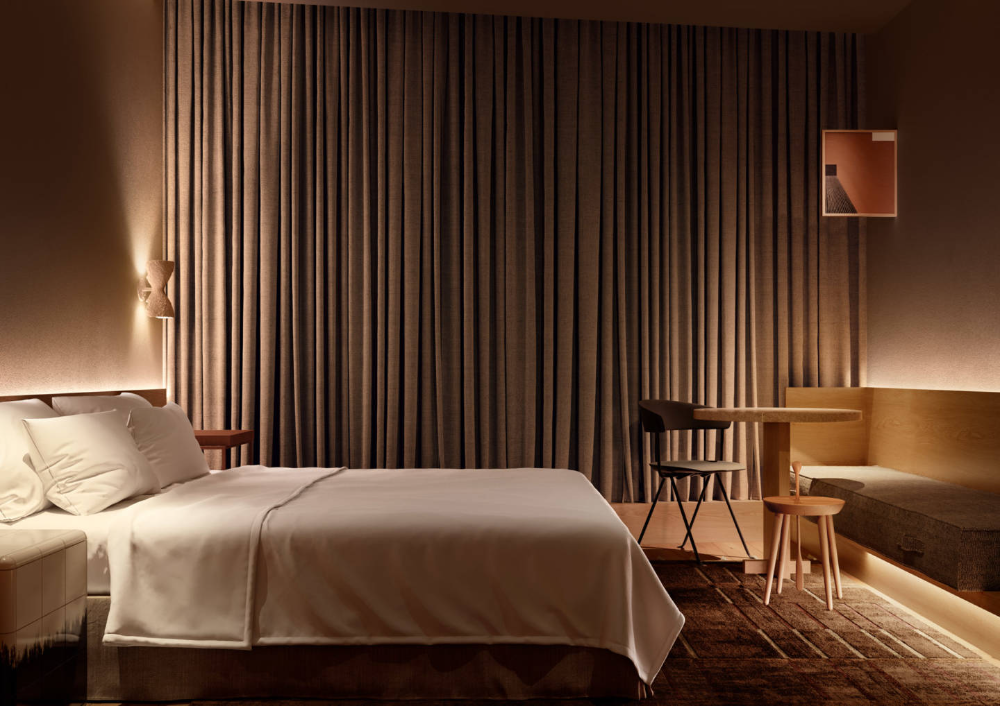
Why Blackout Curtains Can Be Especially Useful for Shift Workers
Night-shift workers face a unique sleep challenge.
Instead of sleeping at night and being awake during the day, their schedules may require them to sleep when the sun is already up.
That means their bedroom can be exposed to several hours of daylight during their intended sleep period.
For a shift worker trying to sleep at 9 a.m., for example, ordinary curtains may not provide enough darkness.
Blackout curtains can help create a more night-like environment during the day.
A good daytime sleep setup may combine:
- Blackout curtains
- A cool bedroom
- Reduced noise
- A comfortable mattress and pillow
- A consistent sleep schedule
- Limited screen exposure before sleeping
For shift workers, darkness can therefore be an important part of making daytime sleep more comfortable.
Blackout Curtains for Light Sleepers
Some people can fall asleep almost anywhere. Others wake up when a small amount of light enters the room.
If you consider yourself a light sleeper, controlling your bedroom environment can be particularly important.
Instead of relying on an eye mask alone, blackout curtains can darken the entire room.
This can be useful if light enters from multiple directions or if you find sleeping with an eye mask uncomfortable.
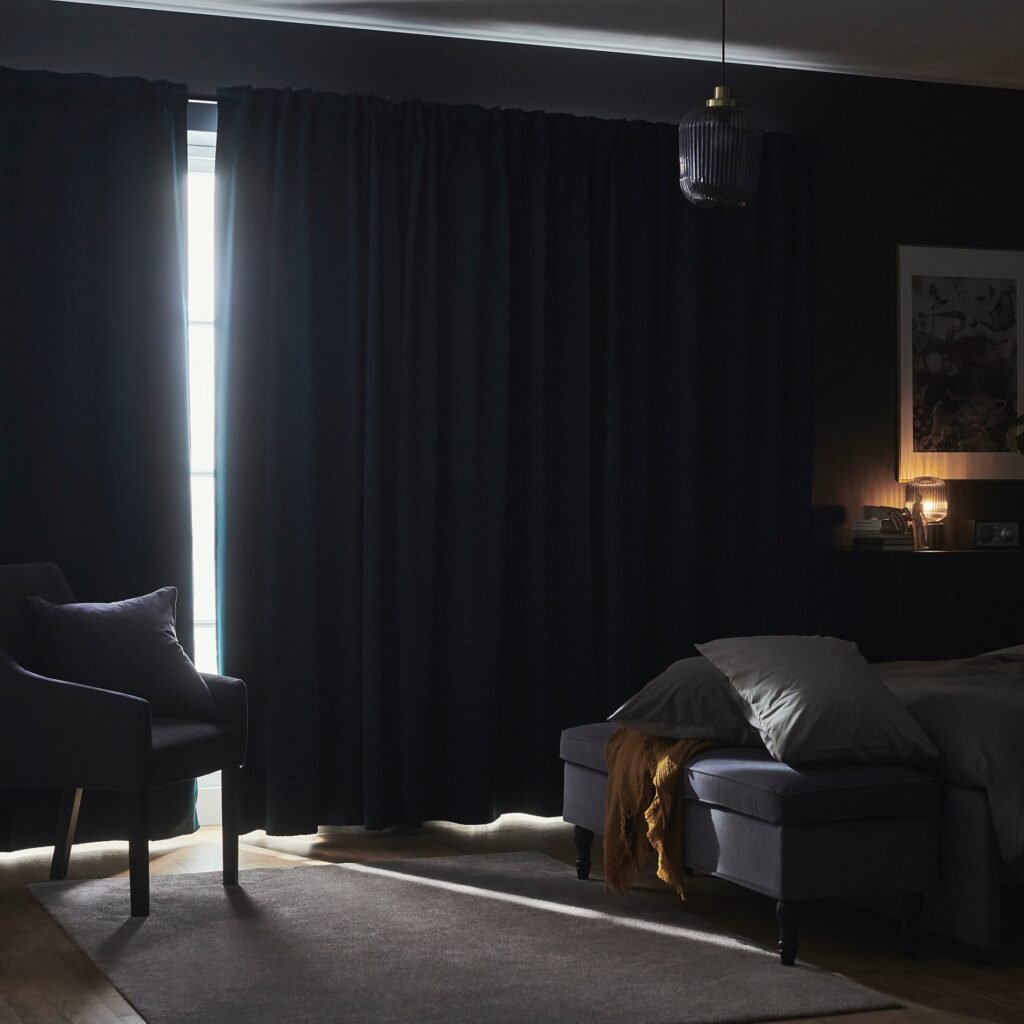
For the best results, look beyond the curtain fabric itself. Light can still enter through the sides, top, and bottom of the window covering.
The Problem With Curtain Gaps
One of the most common mistakes people make when buying blackout curtains is focusing only on the fabric.
You can have highly effective blackout material and still have a bright bedroom if there are large gaps around the window.
Common sources of light leakage include:
- Gaps between two curtain panels
- Space above the curtain rod
- Light coming around the sides
- Space underneath the curtains
- Exposed portions of the window
- Poorly fitted curtains
For better room darkening, choose curtains that provide generous window coverage and consider the way they are mounted.
A wider curtain rod and curtains that extend beyond the window frame can help reduce side leakage.
How to Choose Blackout Curtains for Better Sleep
Not every blackout curtain is equally suitable for a bedroom.
When shopping, consider these factors.
1. Look for Genuine Blackout Construction
Check the product description carefully.
Terms such as “room darkening” and “blackout” are sometimes used differently by different manufacturers. If maximum darkness is your goal, look for curtains specifically designed to provide high light-blocking performance.
2. Choose the Right Size
Measure your window before buying.
Your curtains should generally be wide enough to provide adequate coverage when closed and long enough to minimize light entering around the edges.
3. Consider a Full-Length Design
Floor-length curtains can provide a more complete look while reducing the amount of exposed space around the window.
They can also make a bedroom feel more comfortable and finished from an interior-design perspective.
4. Pay Attention to the Lining
Some blackout curtains use a separate blackout lining behind the decorative outer fabric.
This can give you the combination of:
Decorative appearance + light blocking
rather than having to choose between style and functionality.
5. Consider Thermal Performance
Some blackout curtains also have thermal properties.
These curtains can help reduce the amount of heat entering through sunny windows during the day and may help reduce drafts during colder weather.
For bedrooms that become uncomfortably hot or cold, a thermal blackout curtain can therefore offer benefits beyond darkness.
Blackout Curtains vs. Sleep Masks
A sleep mask blocks light from reaching your eyes, while blackout curtains reduce light throughout the room.
Both can be useful.
A sleep mask may be convenient for travel or when you cannot control the bedroom environment.
Blackout curtains, however, can create a darker environment for the entire room.
This can be especially useful for couples, children, or anyone who does not like wearing a sleep mask.
You don’t necessarily have to choose one over the other. Some light-sensitive sleepers may prefer using both.
How to Make Your Bedroom Even Darker
Blackout curtains are only one part of creating a sleep-friendly bedroom.
If outside light continues to be a problem, consider these additional steps:
Reduce Electronic Lights
Turn off unnecessary LEDs and bright electronic displays before going to bed.
Cover Unnecessary Light Sources
Small lights from electronics, chargers, and other devices can contribute to an unnecessarily bright bedroom.
Close Curtains Completely
Even high-quality blackout curtains cannot block light effectively if they are left partially open.
Minimize Light Leakage
Pay attention to gaps around the edges and between curtain panels.
Keep Your Bedroom Comfortable
Temperature and noise can also affect how comfortable your bedroom feels. Combining darkness with a quiet, comfortable environment can create a better overall sleep setting.
Are Dark-Colored Blackout Curtains Better?
Not necessarily.
The color of the decorative fabric does not tell you everything about its blackout performance.
The construction, density, lining, and overall design of the curtain are more important factors.
A light-colored or neutral curtain can still provide excellent blackout performance if it has an effective blackout backing or lining.
This is good news if you want a bedroom that feels bright and modern during the day but dark at night.
Best Blackout Curtain Styles for Bedrooms
Blackout curtains no longer have to look purely functional.
Today, you can find options designed to fit many bedroom styles, including:
- Neutral blackout curtains
- Linen-look blackout curtains
- Modern blackout curtains
- Velvet blackout curtains
- Minimalist blackout curtains
- Patterned blackout curtains
- Luxury blackout curtains
- Thermal blackout curtains
- Motorized blackout curtains
For a calm bedroom aesthetic, neutral shades such as beige, cream, gray, taupe, and soft earth tones can work particularly well.
If you’re designing a layered window treatment, you can also combine sheer curtains with blackout panels.
During the day, the sheer layer can provide privacy and soften sunlight. At night, the blackout layer can be closed for maximum darkness.
Are Blackout Curtains Worth It for Better Sleep?
If outside light is interfering with your sleep, blackout curtains can be a relatively simple way to improve your bedroom environment.
They can be particularly valuable for:
Light-sensitive sleepers: Reduce distracting light entering through bedroom windows.
City residents: Help block streetlights, headlights, and other sources of nighttime light pollution.
Shift workers: Create a darker environment when sleeping during daylight hours.
Early risers: Reduce unwanted morning sunlight entering the bedroom.
Children and nurseries: Help create a darker environment for daytime naps and nighttime sleep.
The key is to choose curtains that provide sufficient coverage and install them in a way that minimizes light leakage.
Conclusion
A dark bedroom is not a magic solution for every sleep problem, but controlling unwanted light can be an important part of creating a comfortable sleep environment.
Blackout curtains for better sleep can help reduce exposure to streetlights, headlights, early morning sunlight, and other sources of unwanted light. For shift workers and people living in brightly lit areas, they can be particularly useful.
When choosing blackout curtains, don’t focus only on the fabric. Consider the curtain’s blackout construction, size, lining, installation, thermal performance, and potential light leakage around the window.
Ultimately, the best blackout curtains are the ones that combine effective light control, comfortable bedroom design, and the features that fit your specific sleeping needs.
