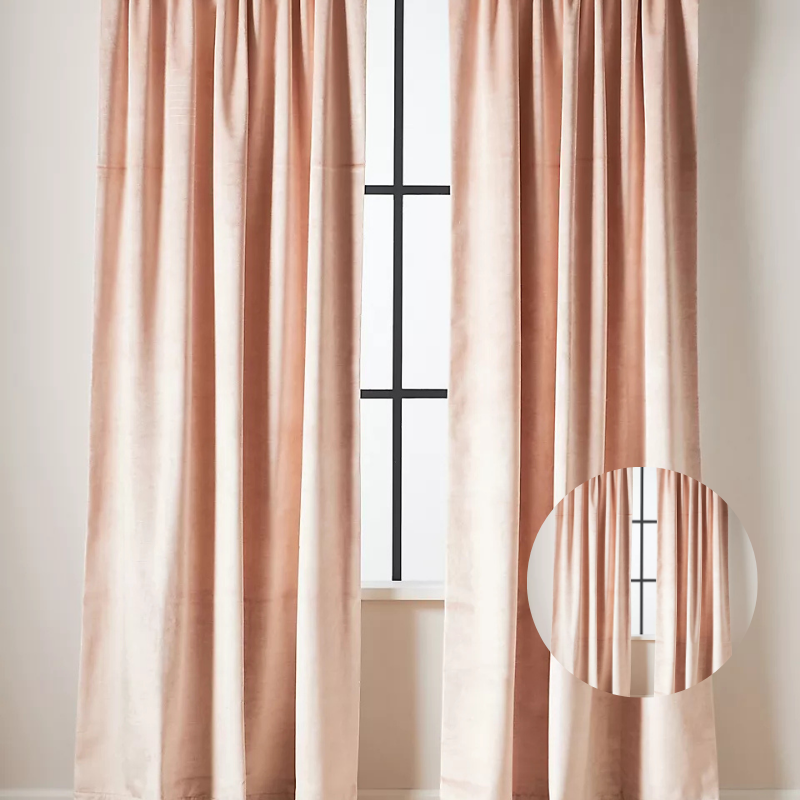
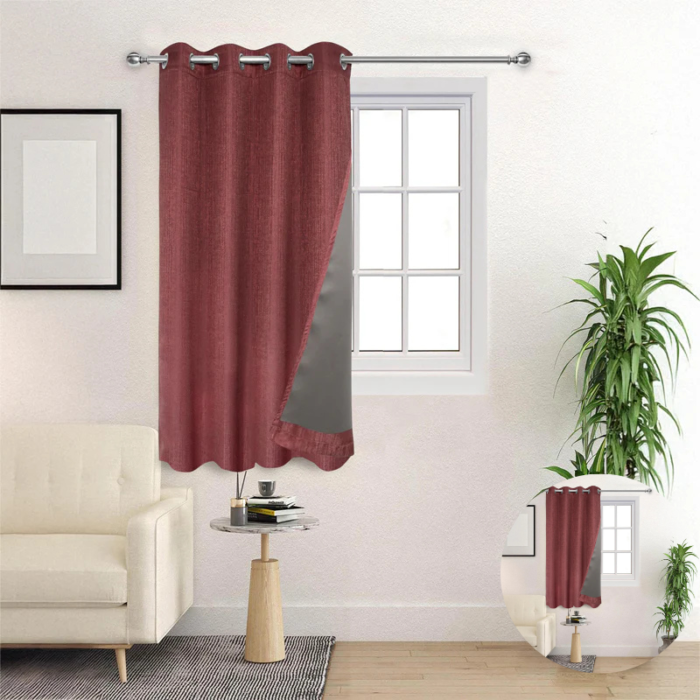
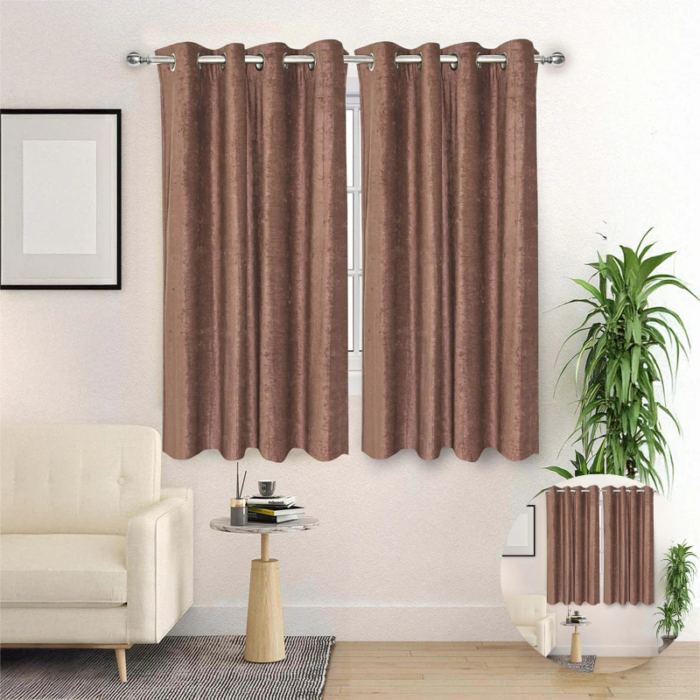
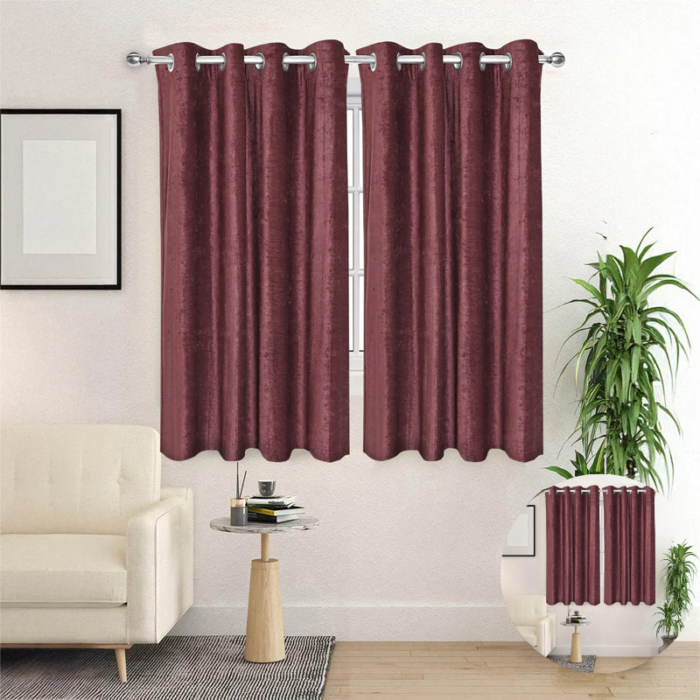
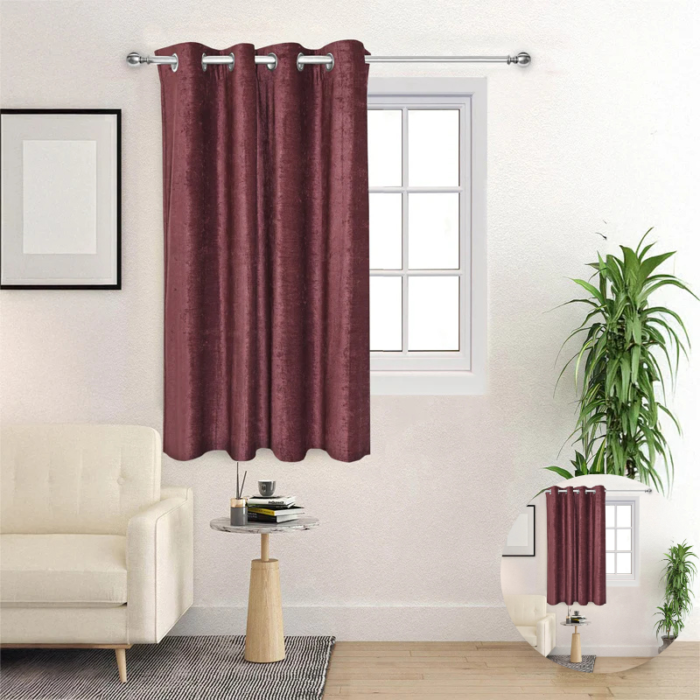
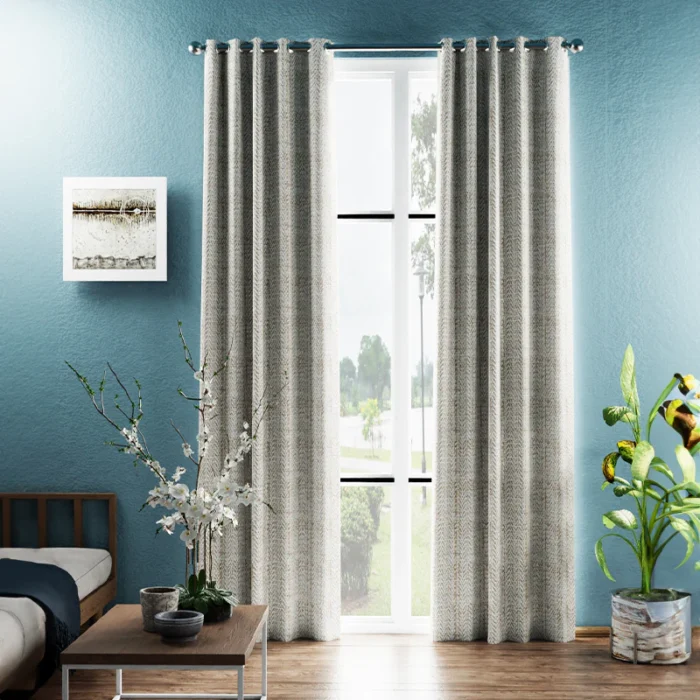
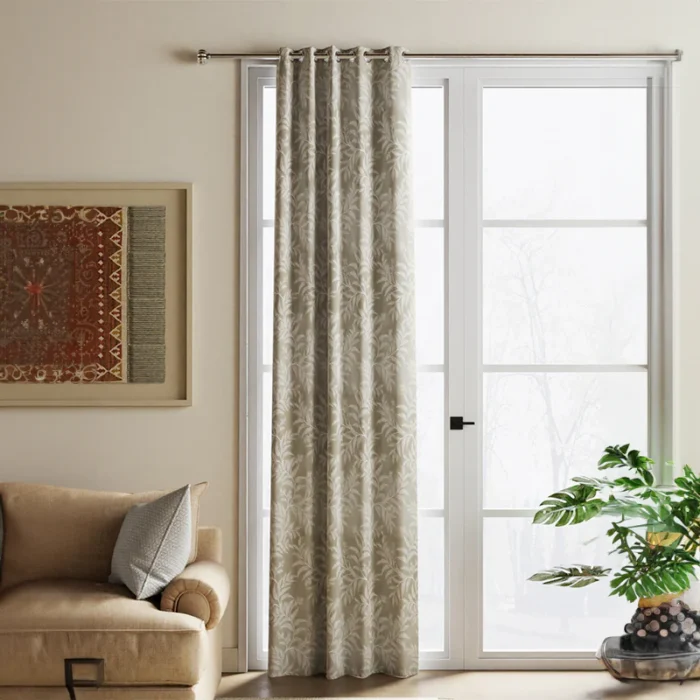
When a bedroom or living room feels too bright and the window looks visually bare, a heavier fabric can change the entire feel of the space. This lined velvet panel combines a rich cotton and polyester blend with blackout performance for a more settled, finished room
$72.00
A window can make a room feel unsettled even when everything else is in place. This is especially noticeable in a bedroom where bright daylight comes through early, or in a living room where a large uncovered window competes with the furniture. This lined velvet panel gives that window more presence while helping control the light coming through it.
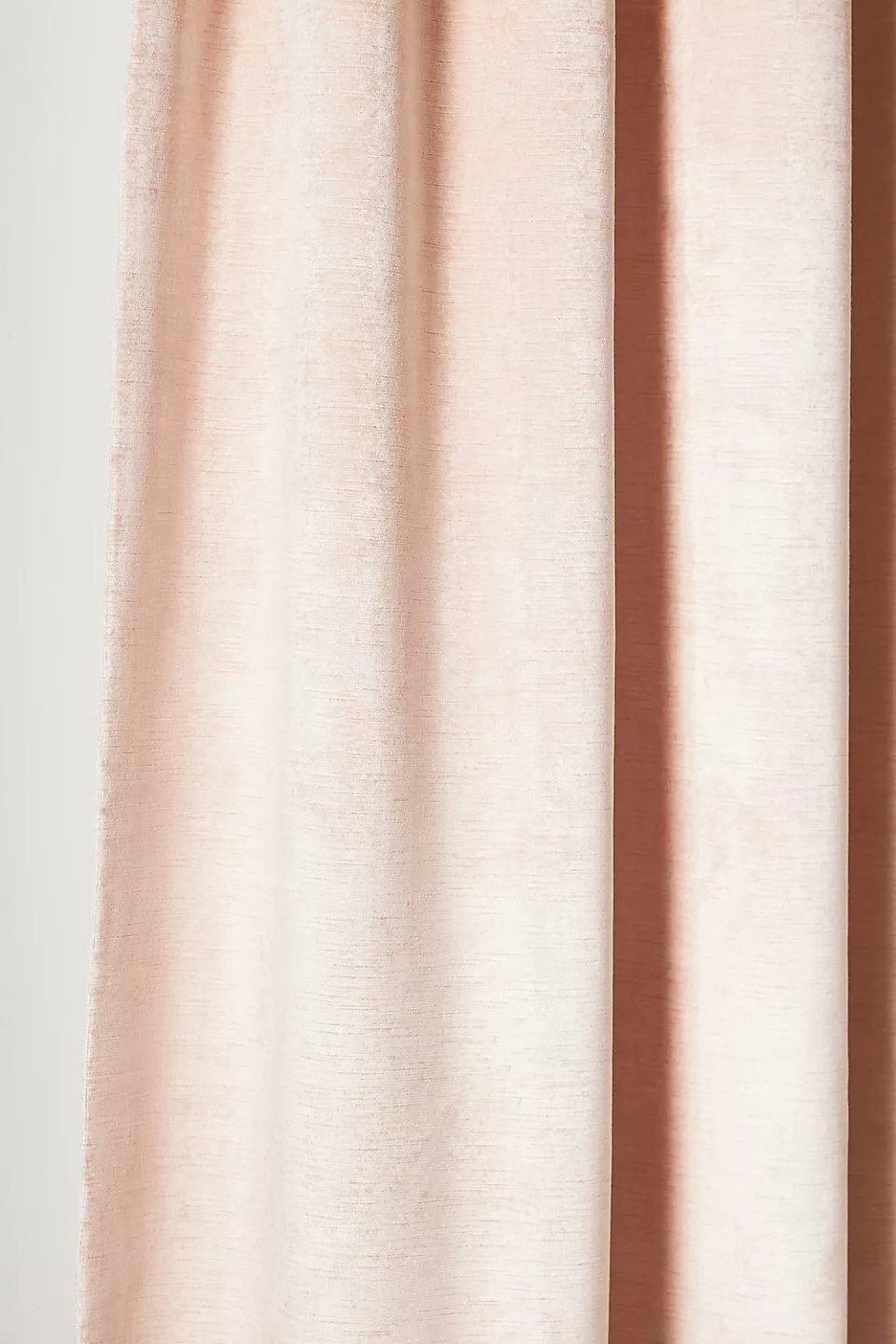
The premium cotton and polyester velvet blend brings a deeper texture than a lightweight curtain, with a soft surface that naturally adds visual weight. The lined construction is designed for blackout use, making the panel a practical choice when you want more control over daylight and privacy without giving up the richer look of velvet. The fabric also works easily with upholstered seating, layered bedding, wood furniture, and other substantial room finishes.
Before ordering, compare your window measurements with the listed panel dimensions. Confirm the available color, header construction, and package quantity so the finished treatment matches both your window and your curtain rod.
Put these in the living room and they have a much richer look than the lightweight panels we had before. The velvet texture is definitely the thing that stands out.
The fabric feels substantial and looks especially nice in the evening when the lamps are on. We paired it with matte black hardware and it fits the room really well.
Used these around our living room window and liked how they make the space feel more finished. The velvet gives the room a cozier look without needing a lot of extra decoration.
Velvet looks especially natural in a bedroom with layered textures. Pair it with an upholstered headboard, quilted bedding, a wool or textured rug, and wood nightstands. Warm white, cream, taupe, and muted gray walls let the fabric add depth without making the room feel dark.
For the rod, matte black or dark bronze keeps the look grounded. Brushed nickel works when the room already uses cooler metal finishes. Mount the rod above the window frame and carry the curtain close to the floor. Velvet generally looks better when it has enough length to form full, relaxed folds rather than stopping short.
In daylight, the pile gives the fabric subtle shifts across the folds. Under warm bedside lamps, those folds tend to look deeper and richer.
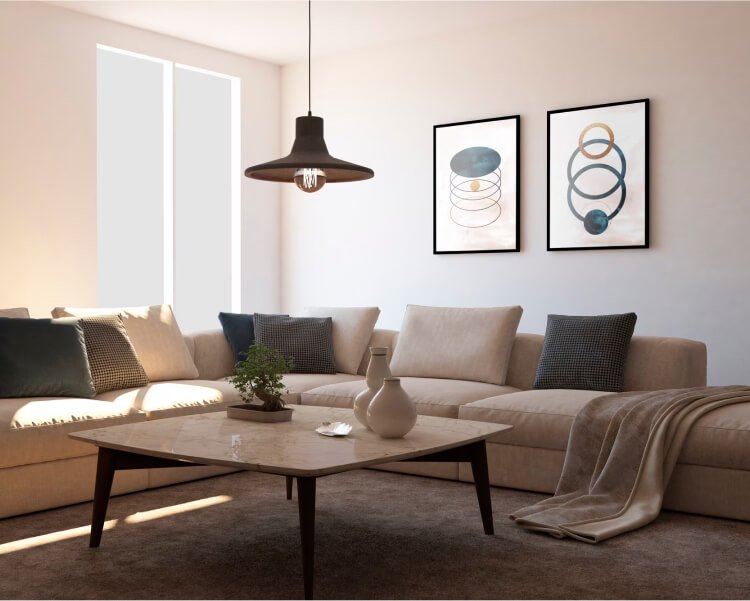
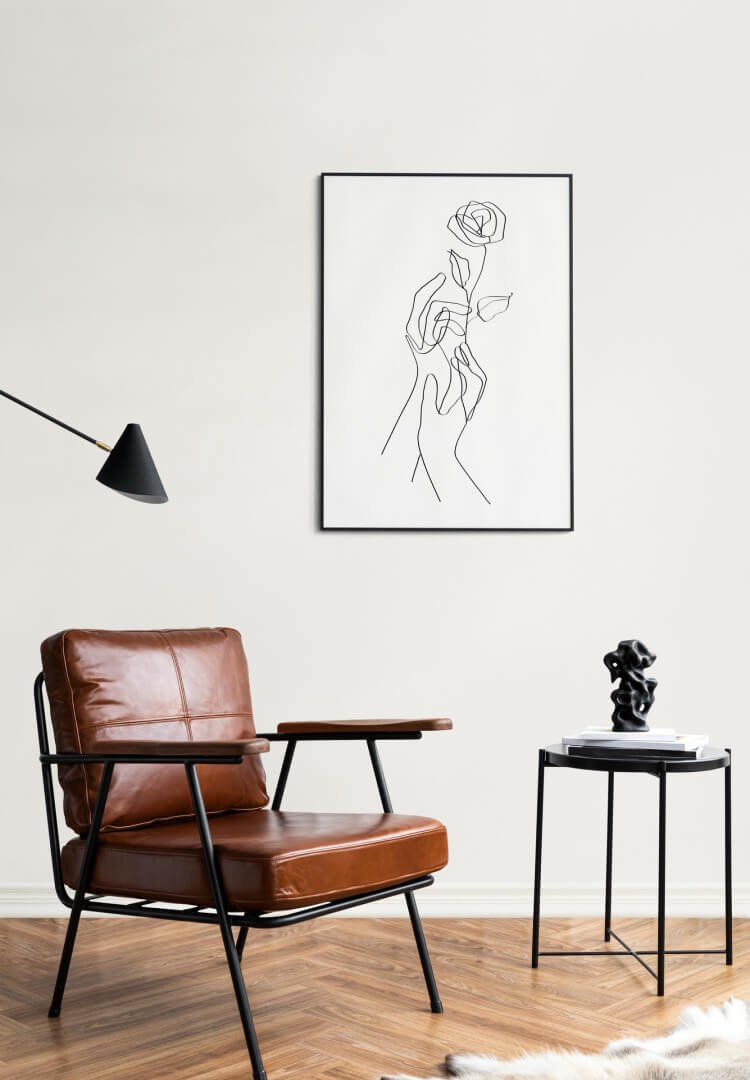
Use these panels in a living room that has enough structure to balance the weight of velvet. They pair particularly well with leather sofas, wood coffee tables, upholstered accent chairs, and textured rugs.
For a more contemporary room, choose clean-lined hardware and keep the rest of the window treatment simple. Against warm white or light greige walls, velvet creates a stronger frame around the window. Against darker walls, lighter furniture can keep the room from feeling too heavy.
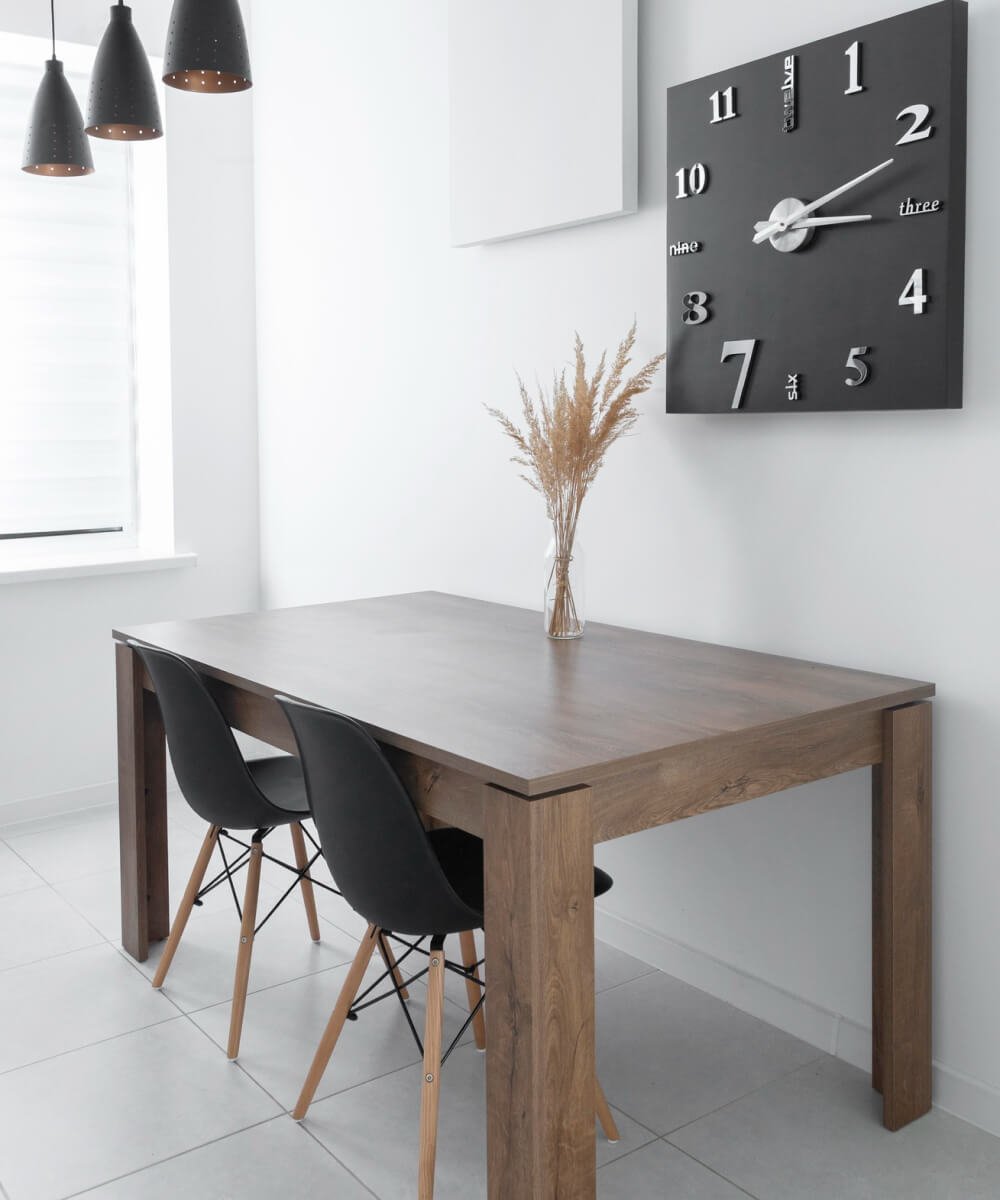
If the living room opens directly into a dining or kitchen area, use the curtains to visually anchor the seating zone. Repeating the room’s wood tone or metal finish in the curtain hardware helps the open layout feel connected.
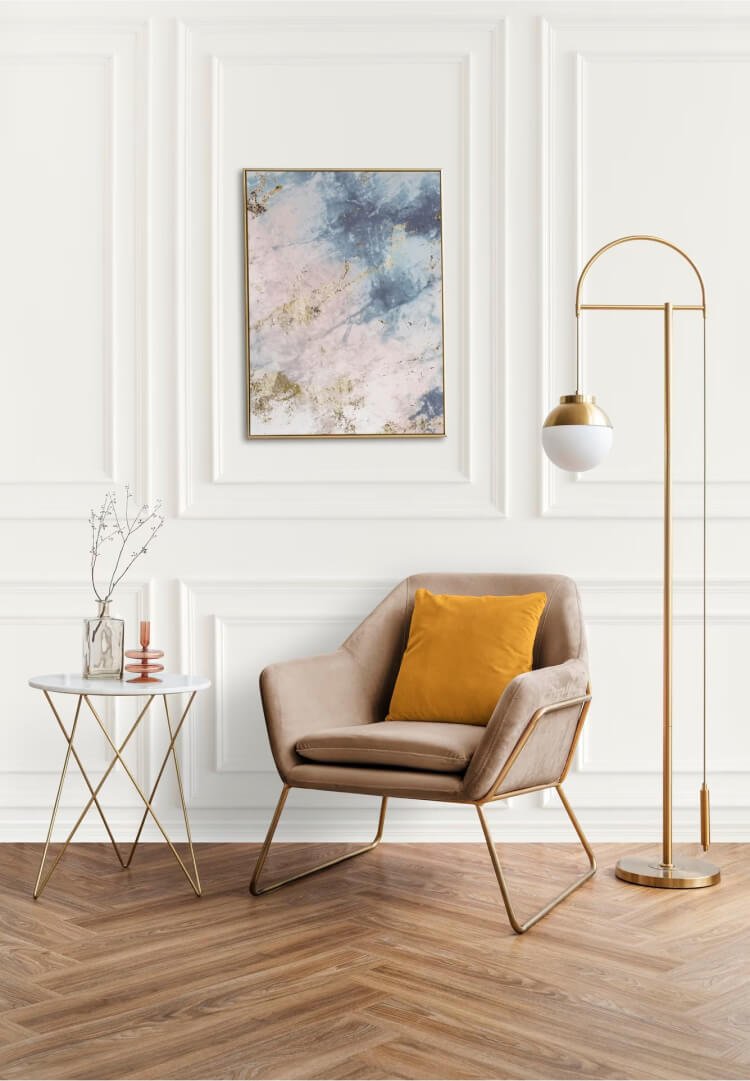
A reading corner can take advantage of velvet’s heavier visual character. Place the panel near a lounge chair, floor lamp, and small side table rather than surrounding the space with multiple competing patterns.
Keep the curtain floor length where possible. A close-to-floor finish gives velvet a more intentional, furniture-like appearance and avoids the temporary feel that can come from a curtain ending several inches too high.

Velvet needs a gentler approach than a flat woven curtain because its pile can change direction when it is rubbed too hard.
Regular dusting:
Use a soft brush or an appropriate upholstery vacuum attachment. Work gently over the surface instead of pressing the vacuum head firmly into the fabric.
Spot cleaning:
For a small mark, blot rather than scrub. Test any cleaning solution on a hidden area first. Aggressive rubbing can leave the velvet looking different from the surrounding fabric.
Wrinkles:
Avoid putting a hot iron directly on the velvet surface. If steaming is permitted by the care label, use gentle steam and keep the equipment from pressing against the pile.
After delivery:
Hang the panel at full length before trying to fix every fold. Once the fabric is suspended, many shipping creases become less noticeable and you can focus only on the areas that still need attention.
Cleaning method:
The supplied product information does not include the manufacturer’s full wash and drying instructions. Check the sewn-in care label before machine washing, hand washing, drying, steaming, or ironing.
The product is sold as a Velvet Blackout Curtain and uses lined construction intended for blackout light control. The exact percentage of light blocked is not provided in the supplied product data.
The velvet surface gives the window a richer, more substantial appearance than many lightweight curtain fabrics. It works particularly well with upholstered furniture and layered interiors.
A lined velvet curtain will generally have more body than an unlined velvet panel. That can create fuller folds and a more structured appearance.
They are made from a premium cotton and polyester velvet blend.
I wanted a heavier-looking curtain for our bedroom and the velvet gives the window much more presence. It works really well with our upholstered headboard and wood nightstands.