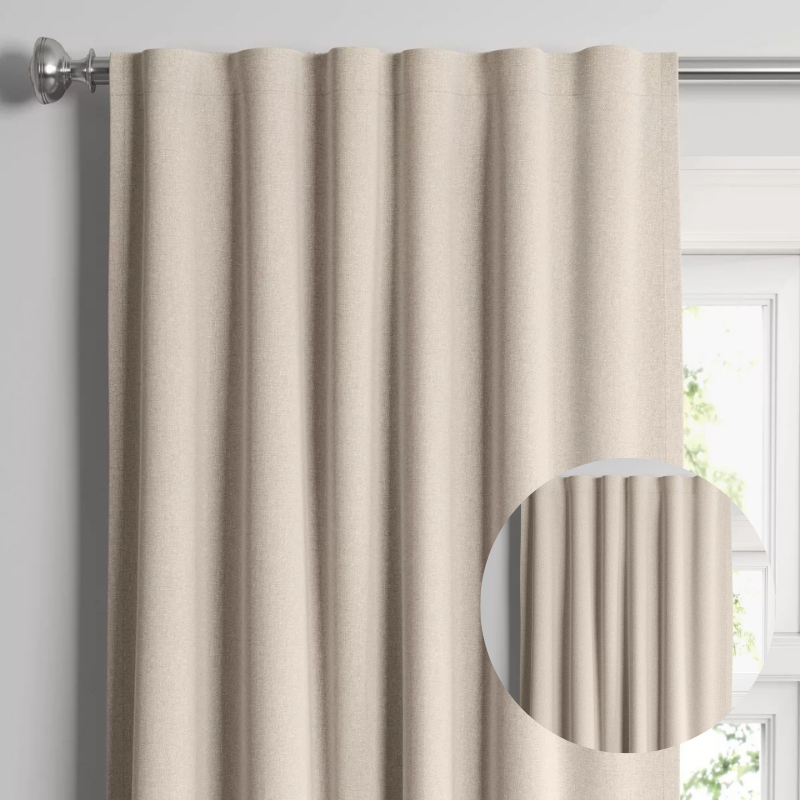
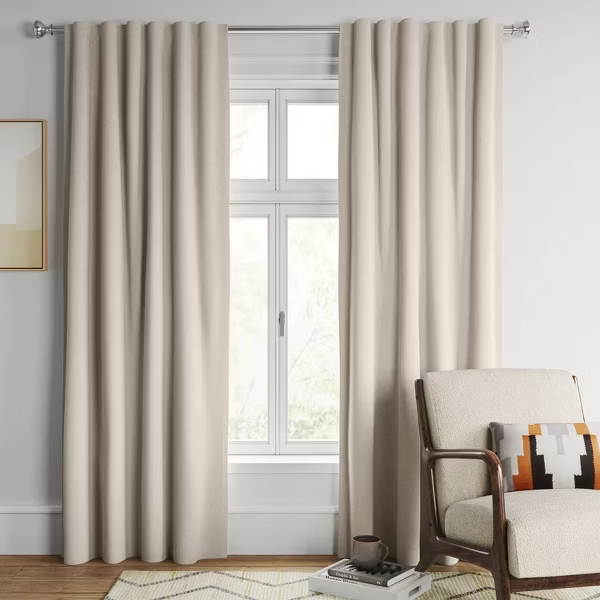
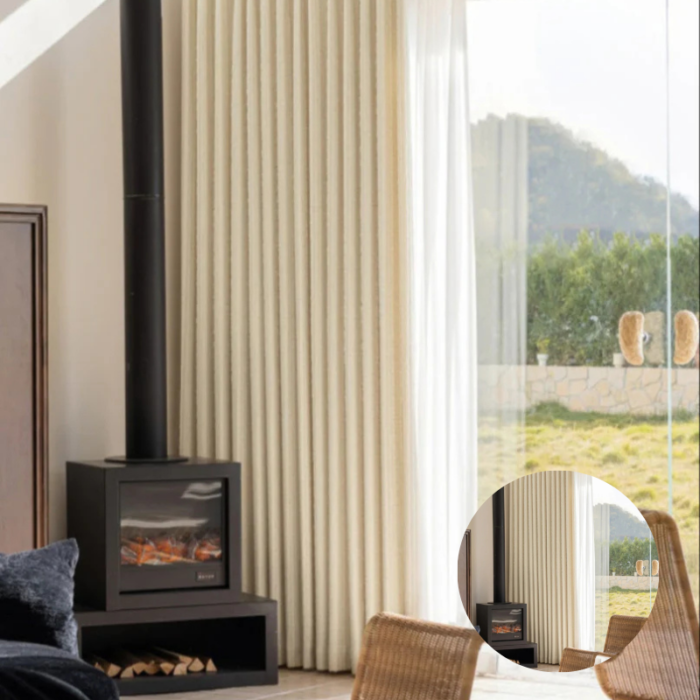
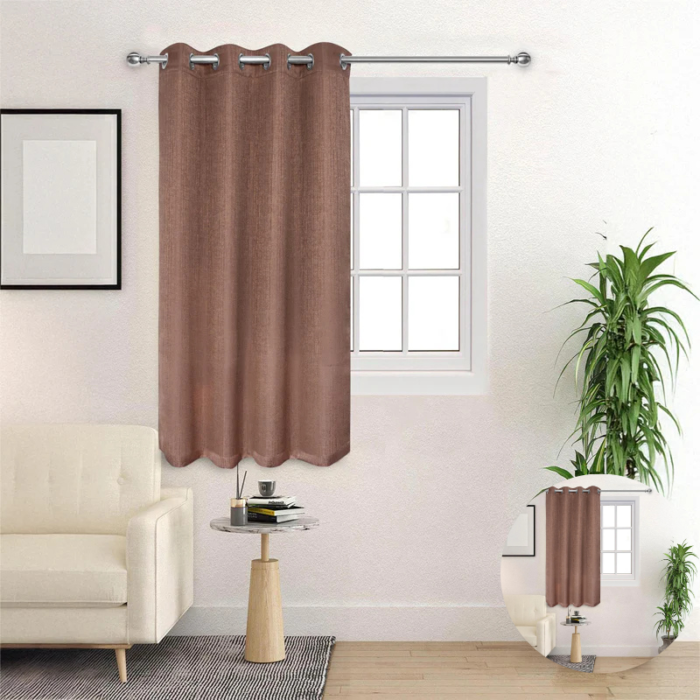
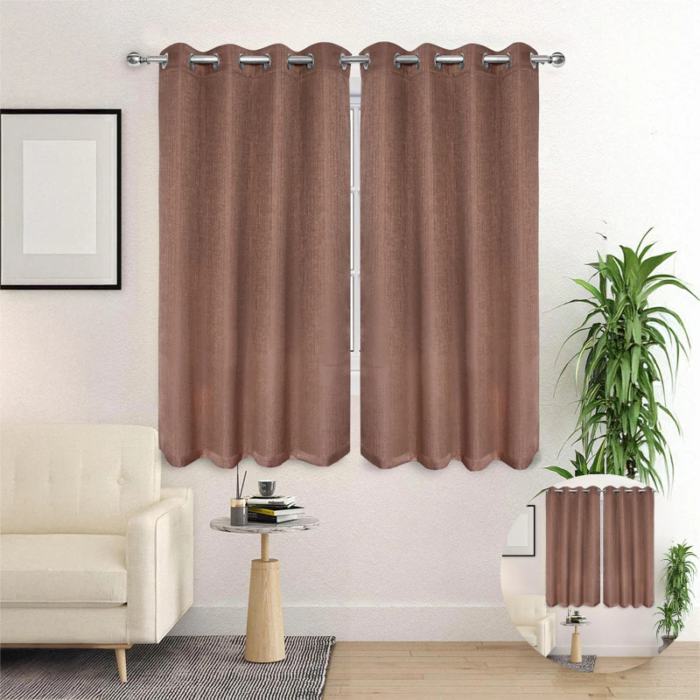
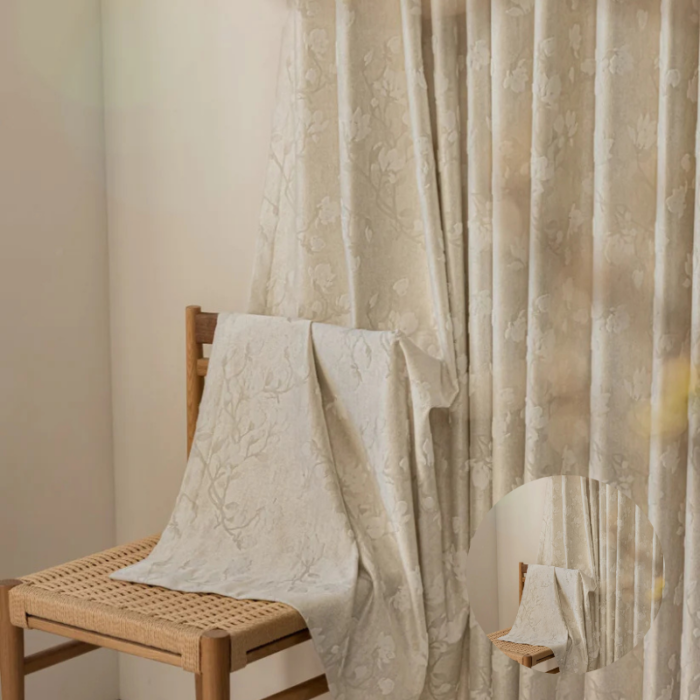
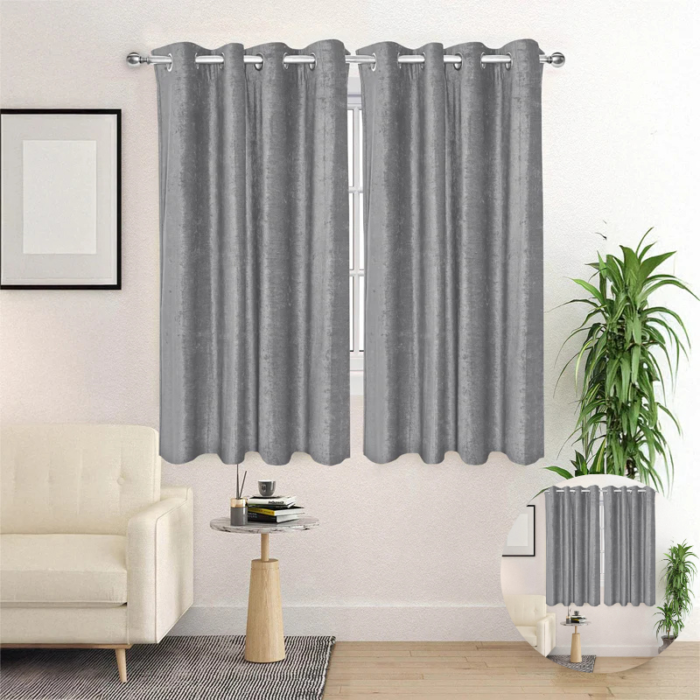
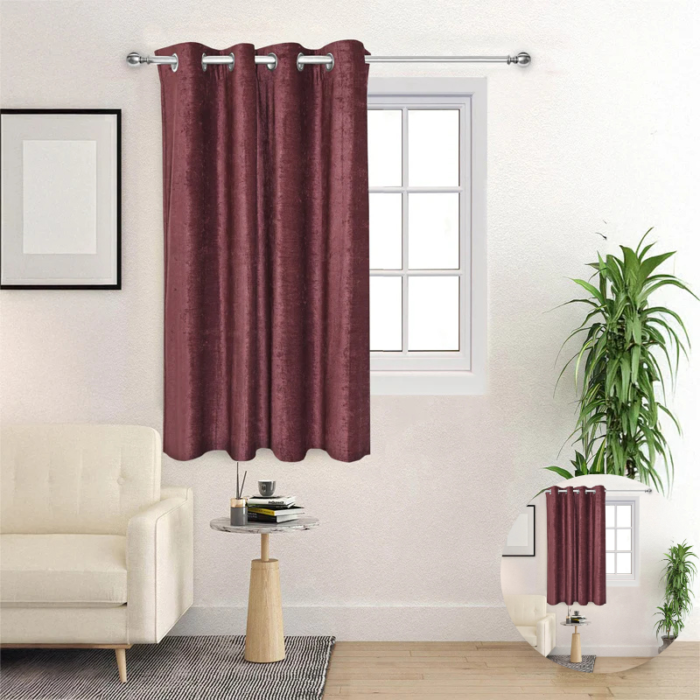
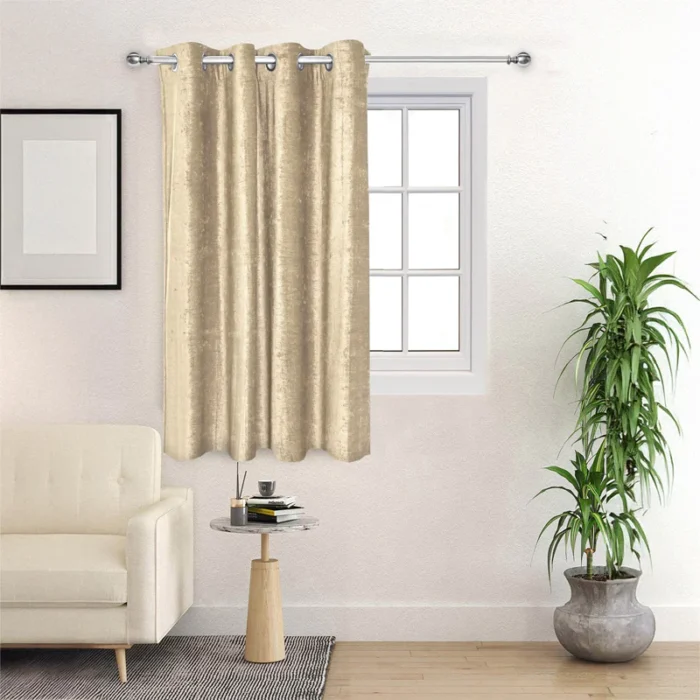
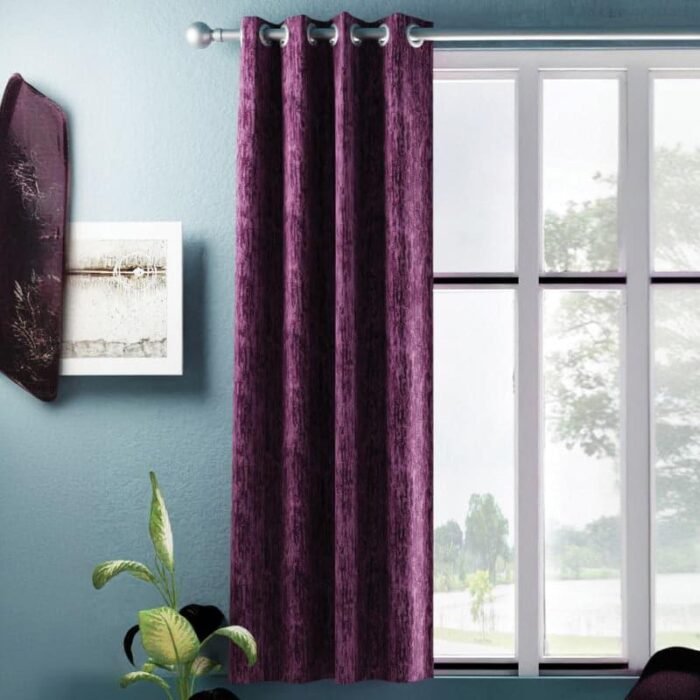
A plain window can leave a bedroom or living room feeling unfinished, while a highly decorative curtain can compete with the rest of the room. Threshold Aruba uses subtly textured blackout fabric to keep the window treatment simple, practical, and easy to work into everyday interiors.
$30.00
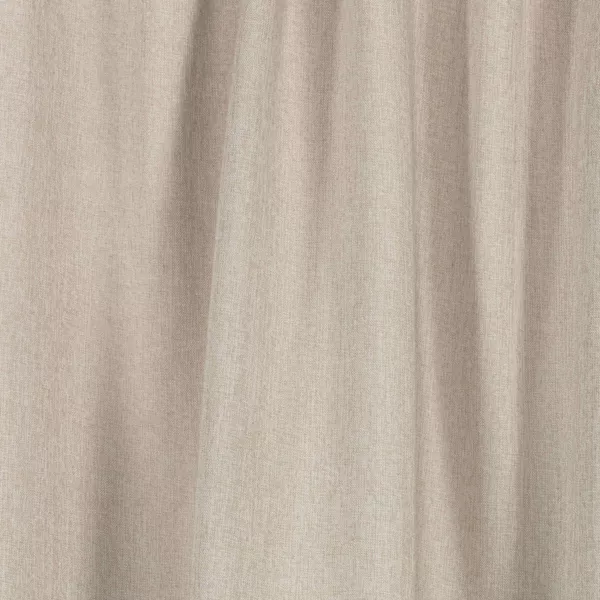
A window does not need a bold pattern to change the feel of a room. In many bedrooms and living rooms, the better choice is a curtain that quietly improves the window while leaving the furniture and other finishes room to breathe. Threshold Aruba takes that approach with subtly textured blackout fabric that adds some visual depth without turning the window into the main event.
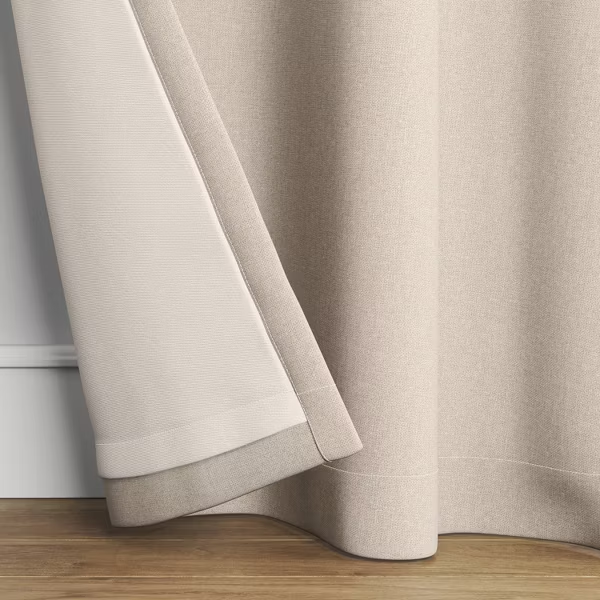
The blackout fabric gives the panel a more practical role than a lightweight decorative curtain, while the subtle texture keeps the surface from looking completely flat. The rod pocket construction also keeps the top of the treatment visually simple, which works well in rooms where you want the curtain hardware to stay mostly out of sight.
Before ordering, measure your window and rod area carefully and compare it with the available curtain dimensions. Confirm the selected color and package quantity before purchase so you know exactly how much coverage you are getting.
I put these in the living room near the TV. The simple rod pocket top works well with the room, and I like that the curtain itself isn't overly decorative.
I wanted a blackout curtain that would work with our existing living room instead of forcing us to redecorate around it. The subtle texture was a good middle ground between plain and patterned.
The subtle texture makes Aruba easy to use in a bedroom where the bedding already provides most of the visual interest. Pair it with solid or lightly textured bedding, a wood nightstand, and an upholstered headboard. Warm white, beige, soft gray, and muted taupe walls all work comfortably with a restrained curtain like this.
Because the rod pocket keeps the hardware mostly hidden, you can use a simple rod rather than treating the hardware as a feature. Dark bronze or matte black works well in a warmer bedroom, while brushed nickel suits a cooler palette.
For the best finish, install the rod above the window and let the curtain come close to the floor. The subtle texture will show more in daylight, while evening lamp light makes the surface feel softer and less pronounced.
In a living room, I would use this when the furniture already has enough personality. A textured sofa, patterned rug, wood coffee table, or accent chair can do the decorating work while the curtain keeps the window grounded.
Warm neutrals on the walls help the subtle texture show without making the window too busy. If the room already has dark metal accents, matte black hardware can connect the window to the rest of the space. For more traditional furniture, dark wood or bronze hardware keeps the rod pocket treatment feeling natural.
The blackout construction is especially useful when the window sits near a TV or gets strong direct daylight. When open, give the panels enough room to stack beside the glass rather than covering a large portion of the window.
This curtain also fits transitional rooms that mix modern and traditional pieces. Keep the surrounding colors restrained, then let the slight fabric texture provide the visual variation.
Avoid adding another heavily textured curtain layer unless the room is large enough to handle it. Aruba works best when it has some breathing room around it.

The supplied product information confirms blackout fabric with subtle texture but does not provide the exact fiber composition or manufacturer’s full cleaning instructions. Follow the sewn-in care label for washing, drying, ironing, and steaming.
Routine care:
Dust the panels gently with a soft brush or suitable vacuum attachment. Work over the fabric lightly rather than pressing hard into the surface.
Spot cleaning:
For small marks, blot with a clean, slightly damp cloth. Avoid vigorous scrubbing, especially on the textured areas.
Wrinkles:
Leave the panels hanging at full length after unpacking before trying to remove every fold. If steaming or ironing is permitted by the care label, use the recommended setting.
Rod pocket care:
When removing the curtain, support the fabric instead of pulling forcefully through the rod pocket. This helps reduce unnecessary strain on the top edge.
One practical tip: clean the window and sill before reinstalling the curtain. The bottom portion of a long blackout panel can pick up dust from the sill, especially when the curtain is regularly opened and closed.
Yes. Rod Pocket Curtains is one of the listed product categories, and the product is named Threshold Aruba Rod Pocket Blackout Curtains.
No. The product is described as having subtle texture, so it has more surface variation than a completely flat curtain.
Yes. The product is identified as a blackout curtain. The exact light-blocking percentage is not provided in the supplied data.
Yes. The understated texture and simple rod pocket style can work well with clean-lined furniture and restrained decor.
It can be a useful option for a living room where controlling incoming daylight is important, particularly around a TV or viewing area.
We used the curtains in our bedroom because I wanted something darker at the window without a big pattern. The subtle texture is just enough to keep the panels from looking flat.