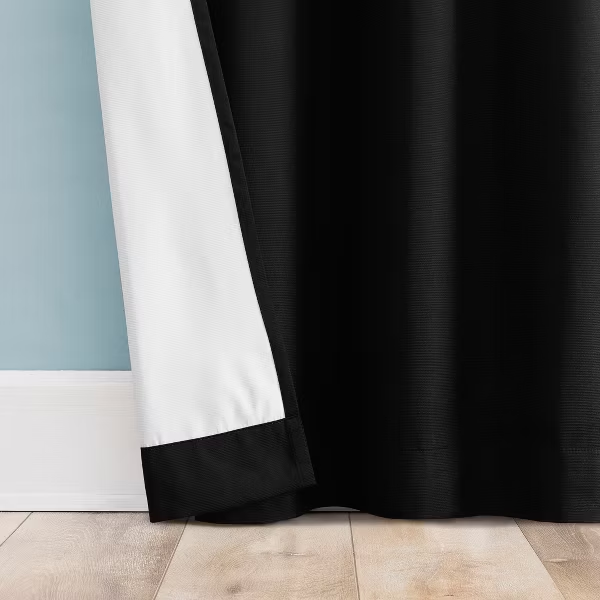
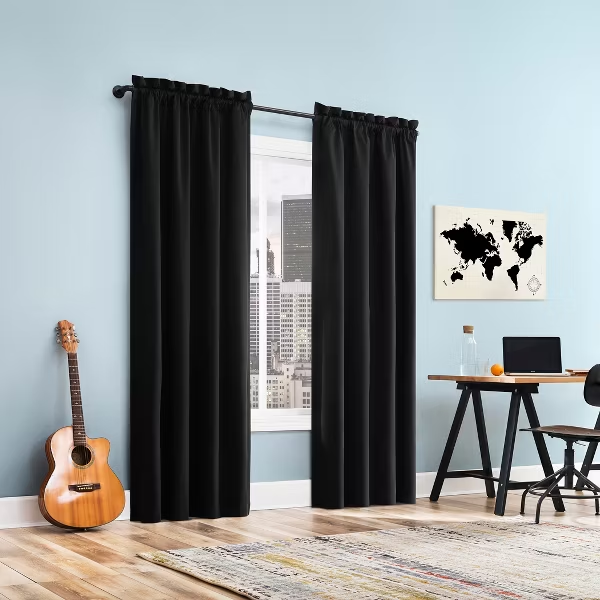
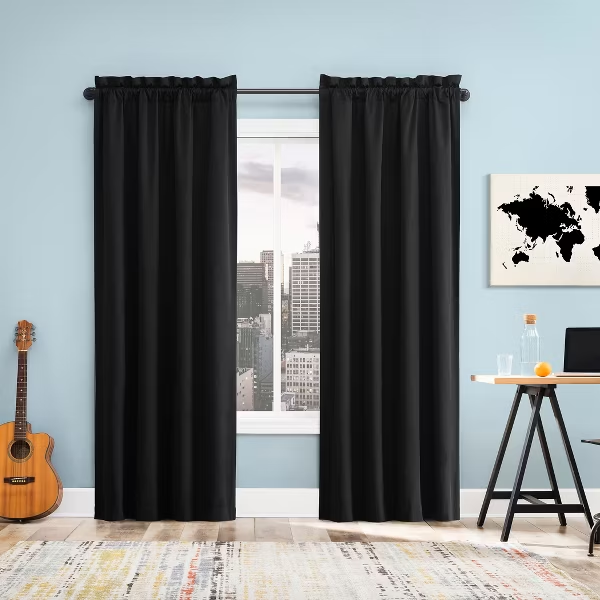
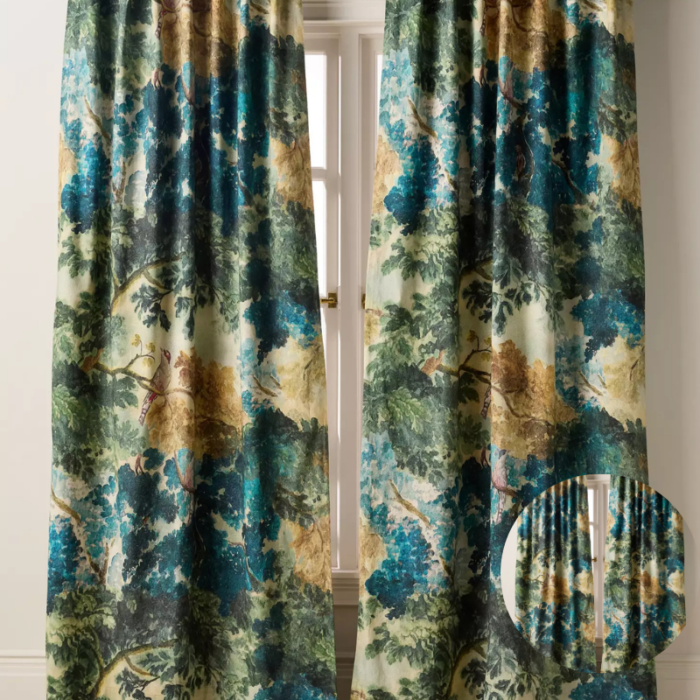
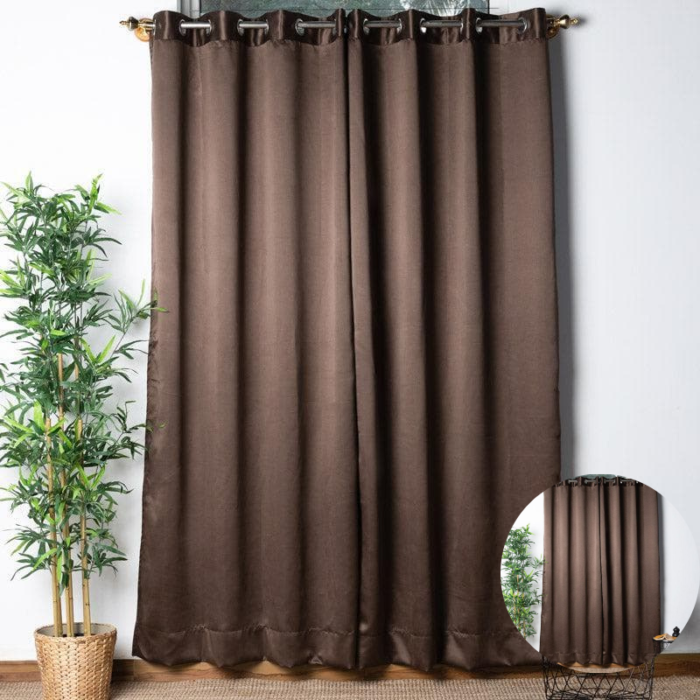
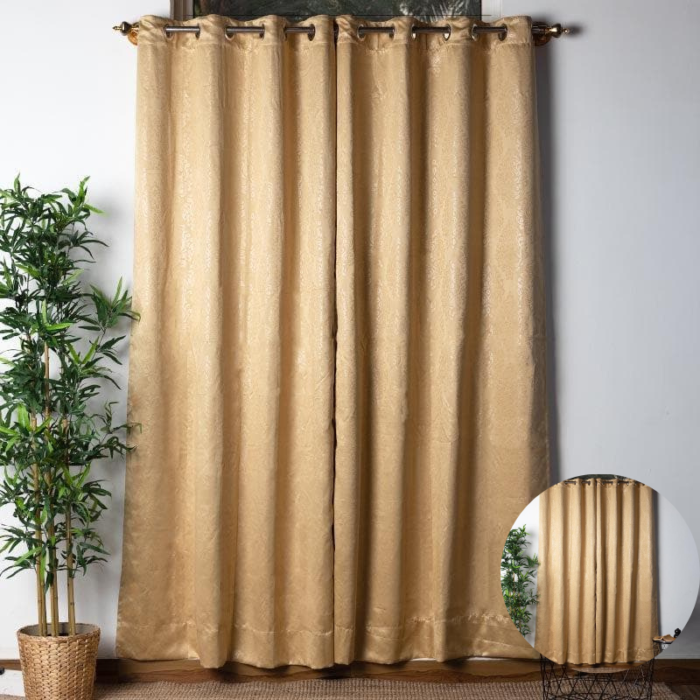
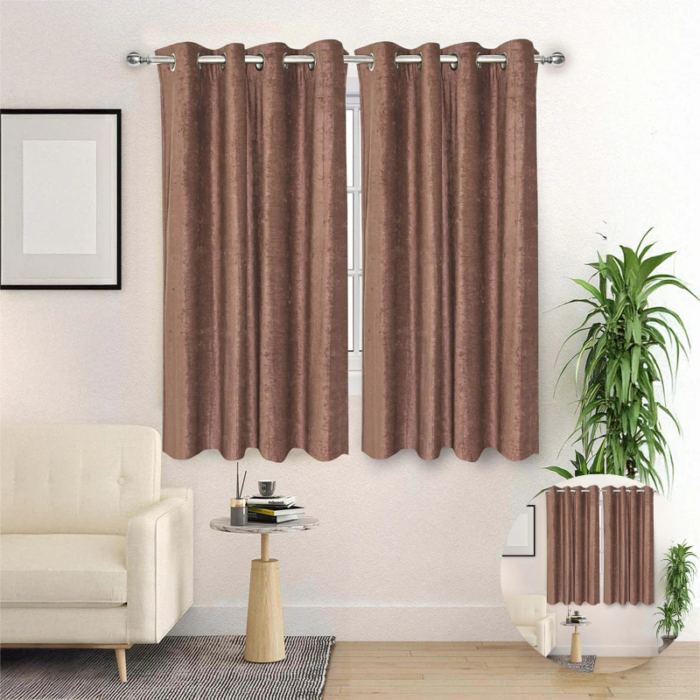
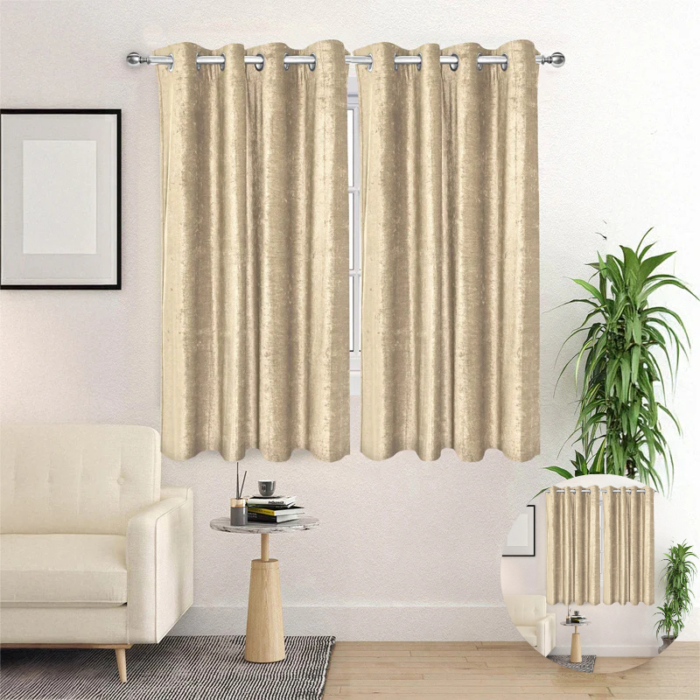
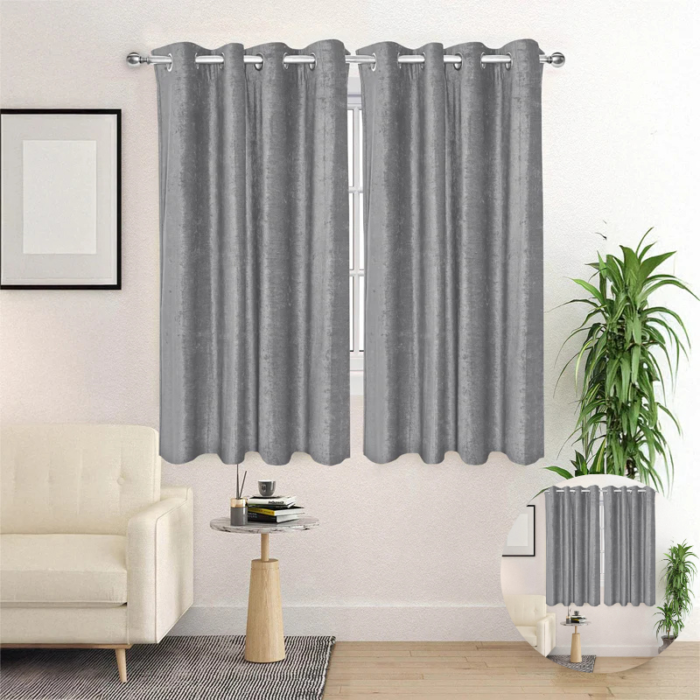
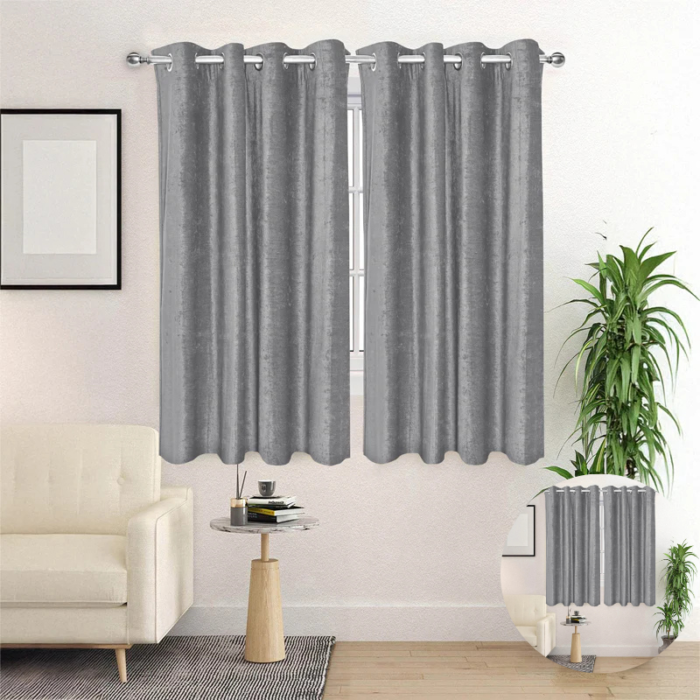
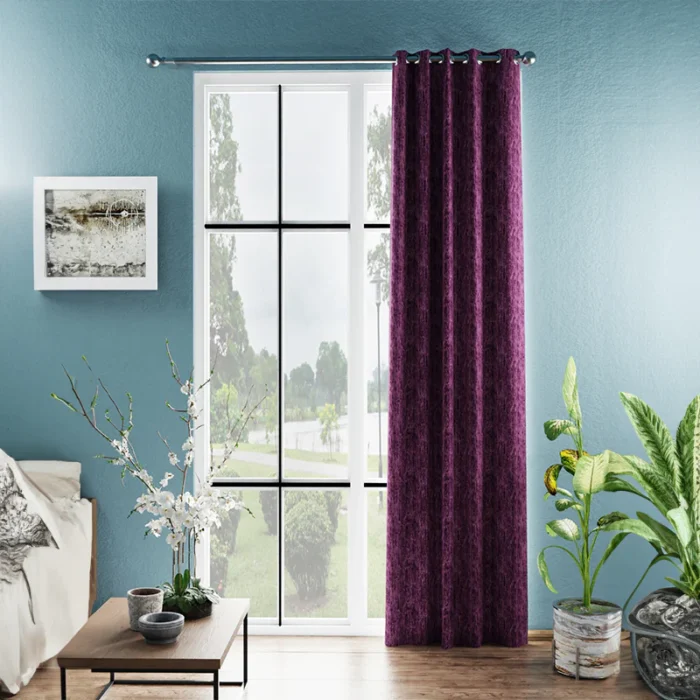
A bedroom can feel unsettled when cold window areas and bright daylight compete with the comfort you want. Sun Zero Doucet thermal blackout curtains use thick insulated fabric to give the window more substance while helping control light, making them practical for bedrooms and living rooms.
$16.99
A window can be one of the coldest-feeling surfaces in a room, especially when the rest of the space is already warm and comfortable. It can also be the source of unwanted daylight when you are trying to keep a bedroom darker. Sun Zero Doucet is built around those everyday window problems, using thick thermal-insulated fabric to give the curtain more substance while helping manage incoming light.
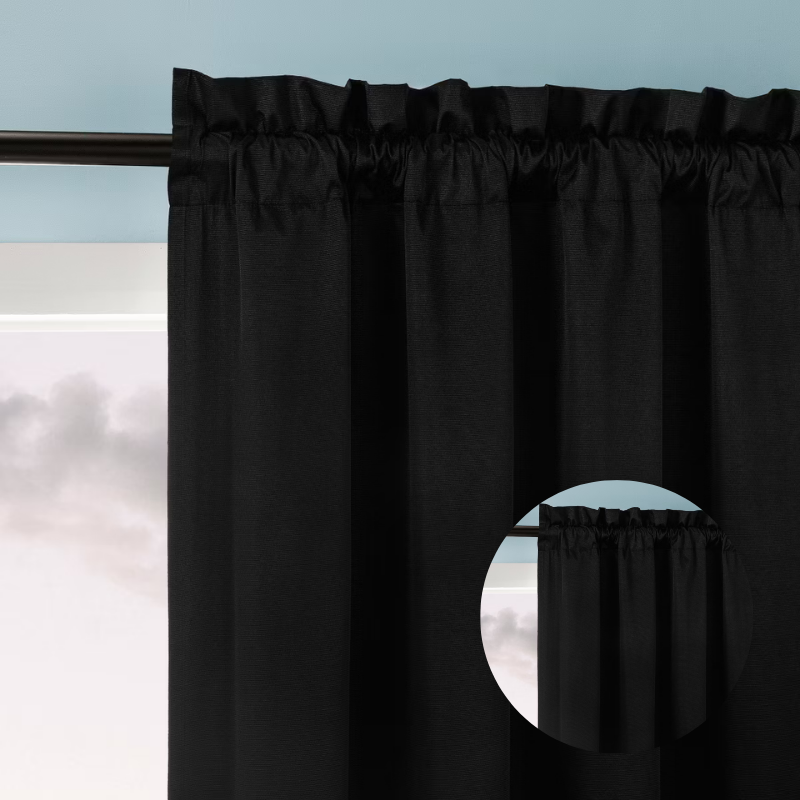
The heavier fabric gives the panel a more substantial feel than a lightweight decorative curtain. The thermal construction is especially relevant in bedrooms and living rooms where window comfort matters, while the blackout design focuses on reducing the amount of light coming through. The rod pocket format keeps the top edge simple and works well when you want the curtain hardware to stay visually understated.
Before ordering, measure your window and curtain rod area and compare it with the available panel dimensions. Confirm the exact color, package quantity, and size before purchasing so the finished curtain has enough width and length for your window.
Put it in the living room around the window behind our sofa. I like the heavier fabric because it doesn't look flimsy, and the rod pocket keeps the top pretty simple.
The thermal part was the main reason I chose this curtain. We have a window area that tends to feel cooler, so I wanted something with more substance.
I wanted a blackout-style curtain without spending a lot. The $16.99 price was what caught my attention, and the thicker fabric makes it look more substantial than I expected.
This panel works best in a bedroom where comfort is the priority and the window treatment does not need a complicated decorative treatment. Pair it with solid bedding, a simple upholstered headboard, and warm wood furniture.
Because the rod pocket keeps the hardware mostly hidden, I would use a straightforward rod in matte black, bronze, or a wood tone that already appears in the room. Warm white, beige, soft gray, and muted earth-tone walls all give the curtain a calm backdrop.
For installation, take the rod above the window frame and let the panel run close to the floor. A longer visual line helps the heavier fabric look deliberate rather than purely functional.
In a living room, the thick thermal fabric makes sense around windows where you want the treatment to feel substantial. It works nicely with sofas, wood furniture, textured rugs, and simple upholstery.
Against a light neutral wall, the curtain can create a stronger frame around the glass. Keep the rest of the window hardware uncomplicated because the fabric already has more body than a lightweight panel.
For a modern room, use clean-lined furniture and a simple rod. In a more traditional space, wood or bronze hardware can make the rod pocket style feel naturally integrated.
For rooms where the window area feels noticeably cooler than the rest of the space, a thermal-insulated curtain can be a practical addition. This is particularly useful when the window sits behind a sofa or near a seating area where you spend a lot of time.
Do not bury the curtain behind furniture. Give the panel enough room to close fully across the window so the fabric can cover the glass rather than stopping short because of a sofa or chair.

The supplied product information confirms thick thermal-insulated fabric but does not specify the exact fiber composition or the manufacturer’s complete cleaning instructions. Follow the sewn-in care label before washing, drying, steaming, or ironing.
Routine care:
Dust the curtain with a soft brush or gentle vacuum attachment. Pay attention to the folds near the rod pocket and along the bottom edge.
Spot cleaning:
For a small mark, blot with a clean, slightly damp cloth. Avoid heavy rubbing because insulated fabrics can have multiple layers that should not be disturbed unnecessarily.
Wrinkles:
Hang the panel at full length before trying to remove every fold from shipping. Allowing the fabric to settle first often makes the remaining creases easier to identify. Use steaming or ironing only according to the care label.
Rod pocket care:
When removing the curtain, slide it carefully from the rod rather than pulling hard at one end. This helps reduce unnecessary stress on the top edge.
One practical tip: keep the curtain fully open while cleaning the surrounding window area. This prevents dust and cleaning spray from collecting inside the folds and gives you a cleaner surface before the curtain is closed again.
They use thick thermal-insulated fabric, combining a heavier construction with blackout curtain function.
Yes. The product is described as a thermal blackout curtain, so light control is one of its intended functions.
Yes. Living Room Curtains is also one of the listed categories.
The thicker construction gives the panel more visual and physical substance than a lightweight curtain and supports its thermal and blackout positioning.
We used this in the bedroom because the window gets a lot of light early in the morning. The thicker fabric gives the room a more finished look than the thin panel we had before.