/
/
Luxe Linen Blend Living Room Blackout Curtains
Sale!

Luxe Linen Blend Living Room Blackout Curtains

(1 customer review)

Only 11 left in stock

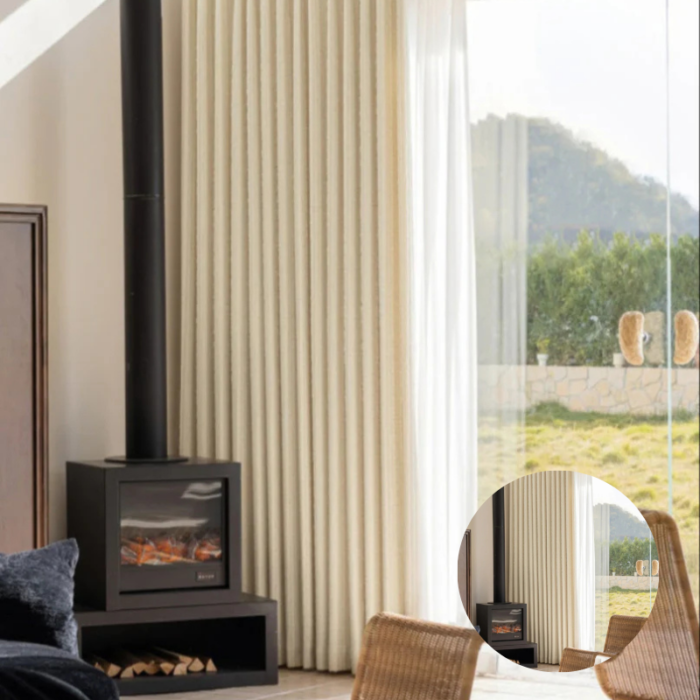
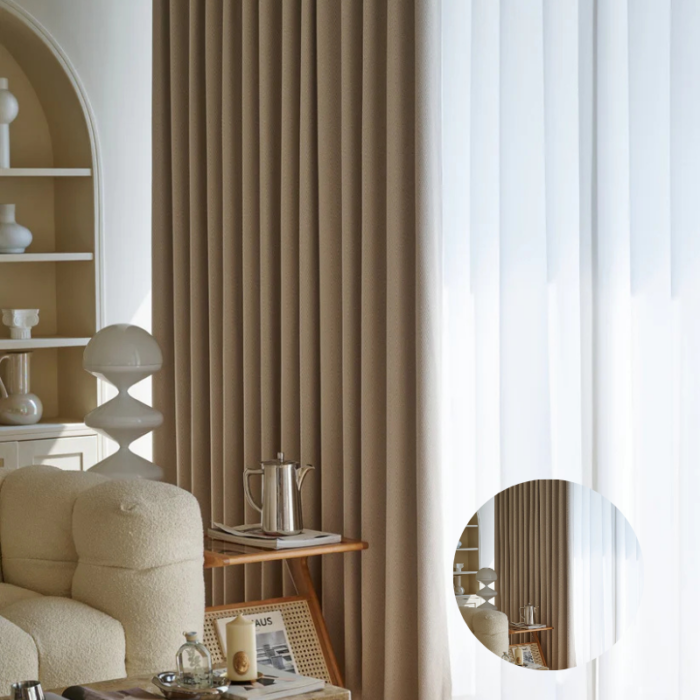
Your living room gets bright in the afternoon and the glare washes out the TV, the plants, everything. This linen blackout panel cuts the light down without making the room feel closed off, so you get the texture of real linen and the control of a true blackout lining.

Original price was: $90.00.Current price is: $70.00.

Only 11 left in stock

Living rooms take the worst of the afternoon sun. It’s the room with the biggest window, the one everyone sits in to watch TV or work from the couch, and it’s usually the first place you notice the glare bouncing off the screen around 3 p.m. This linen blackout panel is built for that problem specifically: a true blackout lining behind a face fabric that still reads as soft, textured linen instead of a flat, hotel-lobby drape.

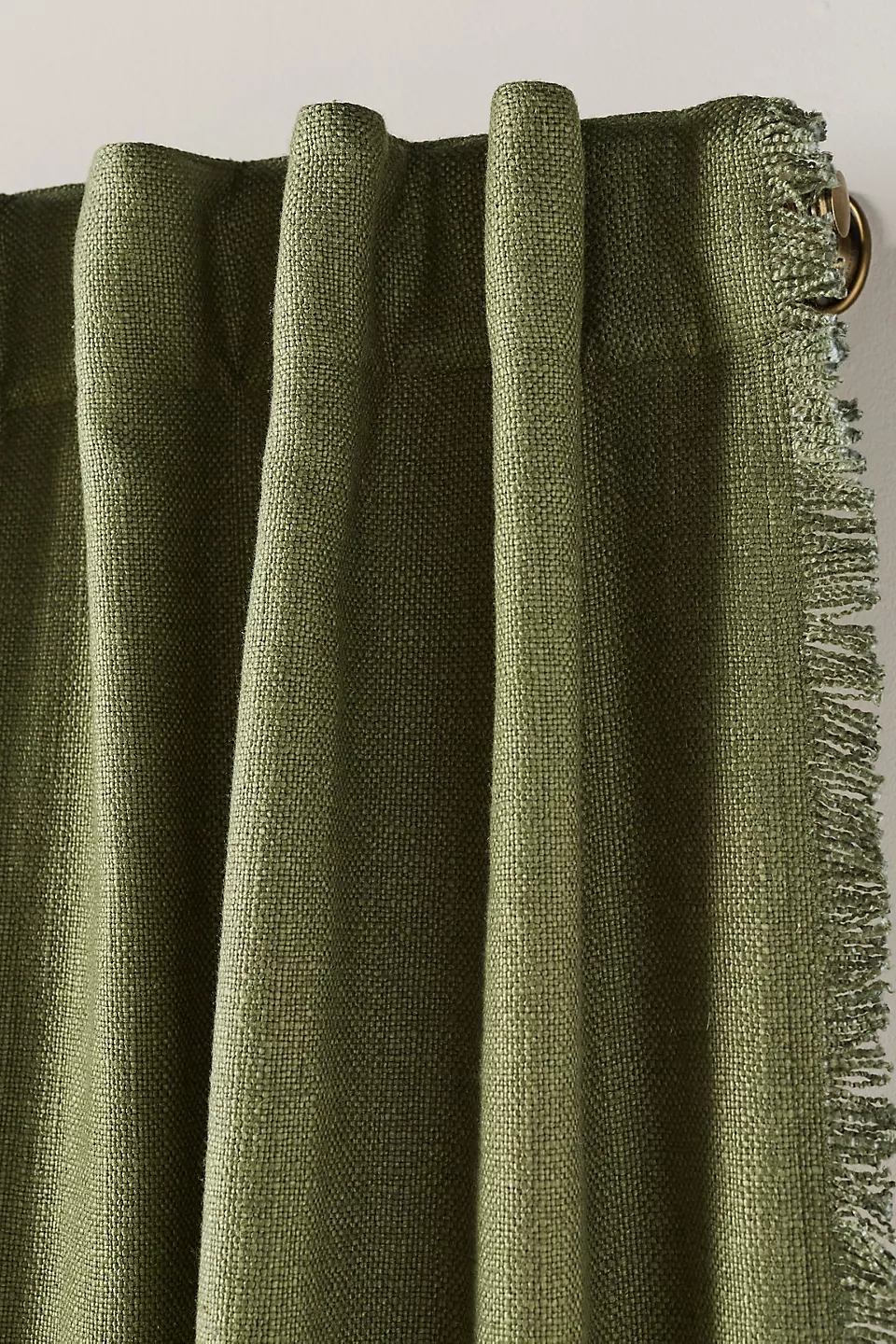
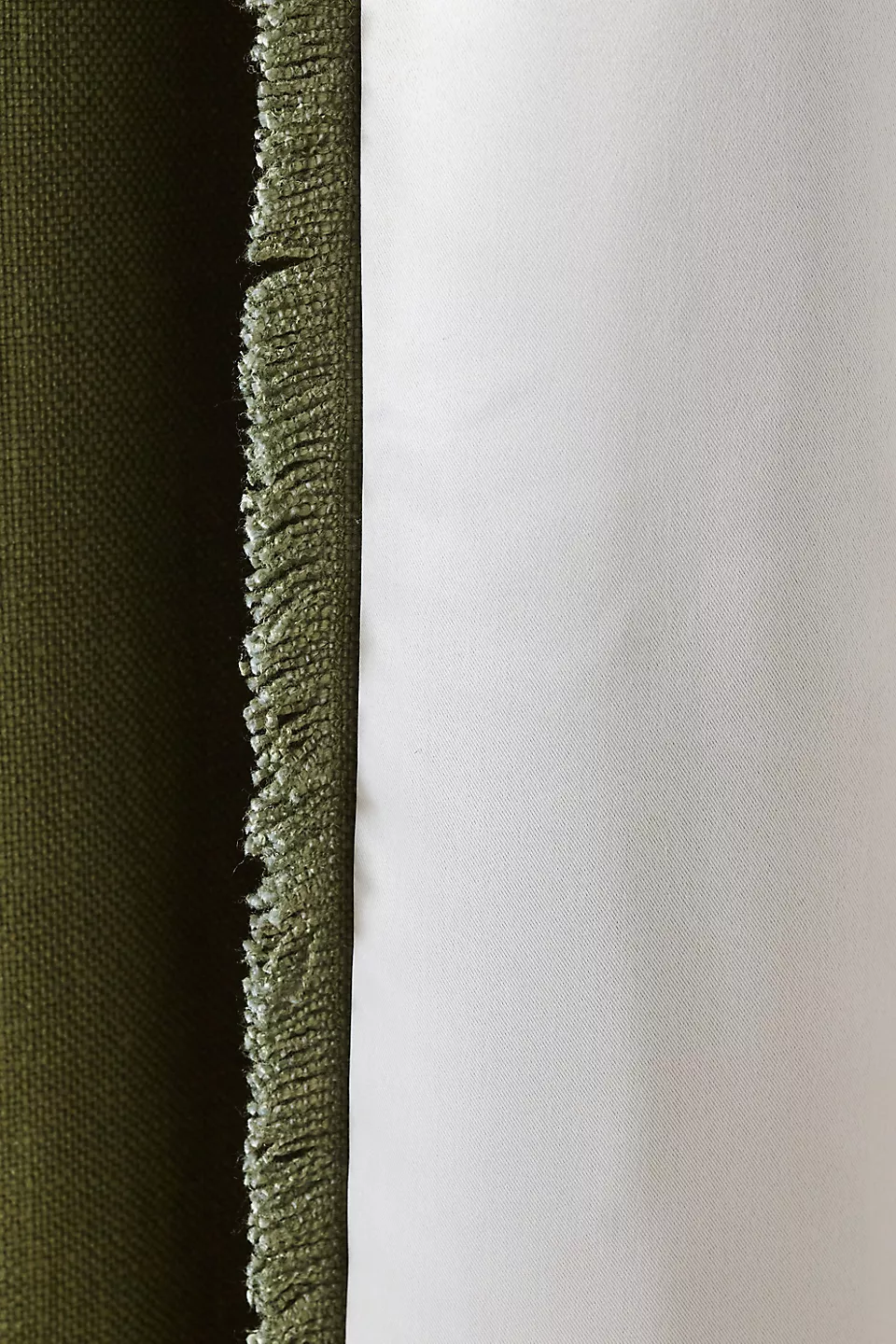
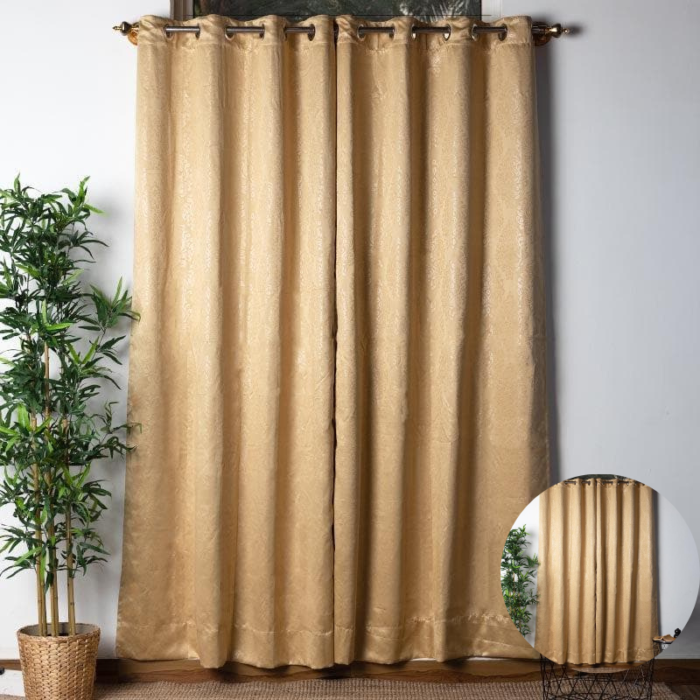
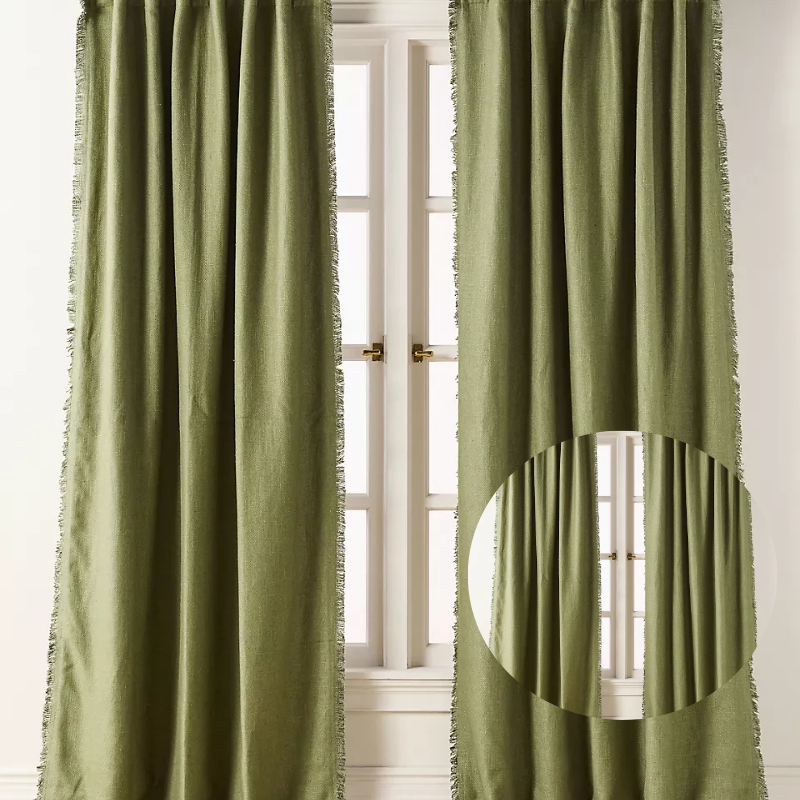
The linen face fabric has the texture you’d expect from the real thing: a slight slub in the weave, a matte finish that doesn’t shine under overhead light, and enough weight to hang with a bit of structure rather than going limp. Behind it, the blackout lining does the actual work, cutting direct light and glare, taking the edge off outside noise, and adding a layer of insulation at the glass, which matters most in rooms with older single-pane windows or a lot of west-facing exposure. Linen breathes more than a synthetic blackout panel, so the room doesn’t feel stuffy the way it can behind a heavier velvet or microsuede blackout curtain.

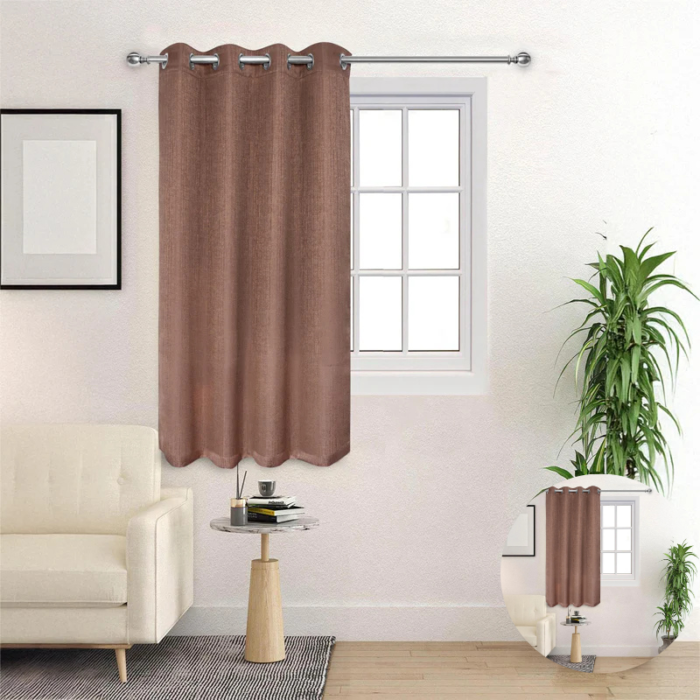
For a living room window, most people hang these with 4–6 inches of fabric pooling past the sill or breaking just above the floor, and mount the rod 4–6 inches above the window frame so the panel doesn’t cut the glass short when it’s open.

Style Guide

Living rooms are the one room in the house where the curtain has to do two jobs at once: control light during the day and still look like part of the furniture, not just a window treatment. Linen earns its keep here because it reads differently depending on the light hitting it, which most synthetic blackout fabrics can’t do.

In daylight, hung against a wall in warm white, soft greige, or a pale sage, the linen texture catches ambient light and adds a bit of visual weight to a room that might otherwise feel flat, especially in newer builds with a lot of drywall and not much else going on. It also works well in front of a darker accent wall (charcoal, deep navy, forest green) where the contrast keeps the linen from disappearing into the background.

In lamp light, in the evening, is where linen blackout curtains actually outperform a lot of other blackout fabrics. The slub texture picks up warm light and softens the room instead of going flat and matte the way a smoother poly-blend blackout curtain tends to. If the living room doubles as a media room at night, that’s a real difference: the room feels intentionally dim, not just dark.

For rod finish, brushed nickel or matte black reads as more current against a linen texture than polished brass or chrome, which can push the room toward a more traditional, formal look than linen usually calls for. If the space leans more farmhouse or transitional, an unfinished or antique wood rod works just as well and tends to disappear visually against the linen, letting the fabric do the talking.

One thing worth knowing before you hang it: because there’s a blackout lining behind the linen, the panel will hang with more structure and less movement than an unlined linen curtain. That’s the tradeoff for the light control, and it’s worth knowing going in if you were picturing the loose, breezy drape of a sheer linen panel. This isn’t that. It’s linen doing a blackout curtain’s job.

Product Aftercare

This is a lined curtain, so treat the lining, not just the linen, as the thing you’re protecting when you clean it.

Washing: Check the care label before you machine wash, since blackout linings vary in how they hold up to a washer. If the label allows it, wash on a cold, gentle cycle, and skip the dryer’s high heat setting, which can cause the blackout backing to separate from the face fabric over repeated cycles. Line dry or tumble dry on low heat instead.

Spot cleaning: For most day-to-day marks (dust, a light splash, a pet nose print near the hem), a damp cloth with a small amount of mild detergent and a light blot, no scrubbing, will handle it without needing a full wash. Blot outward from the center of the mark so you’re not spreading it.

Wrinkles from shipping: These arrive folded, and the fold lines can take a few days to relax on their own once hung. If you want them gone faster, a garment steamer held a few inches from the fabric works better than an iron on a lined curtain, since direct iron heat against the blackout lining risks scorching or warping the backing. If you don’t have a steamer, hang the curtains in a steamy bathroom during a hot shower for 15–20 minutes; the ambient humidity does most of the work.

Storage: If you’re taking these down seasonally, roll rather than fold them for storage. Folding a lined curtain long-term sets creases along the fold lines that are harder to steam out than the shipping creases.

FAQs

Will this actually block out afternoon sun in a west-facing living room?

Yes, that’s the specific problem this panel is built for. The blackout lining behind the linen face fabric is what does the work, not the linen itself, so you get real light control along with the texture and drape of a natural fabric.

 Buyer feedback on this style generally lines up with the listed measurements, with most reviewers confirming the panel hangs at the length ordered once the shipping creases relax.

Reviewers consistently point to a noticeable drop in daytime glare and afternoon heat in the room, particularly in windows that face direct sun for part of the day.

 Feedback on the fabric itself is positive, with reviewers noting the texture stays intact through regular use and washing, rather than flattening out or pilling.

The woven linen-blend texture and simple tunnel tab drape are versatile enough to work in both modern and more classic interiors — it doesn’t lean heavily toward one style.

Shopping Cart0

No products in the cart.