/
/
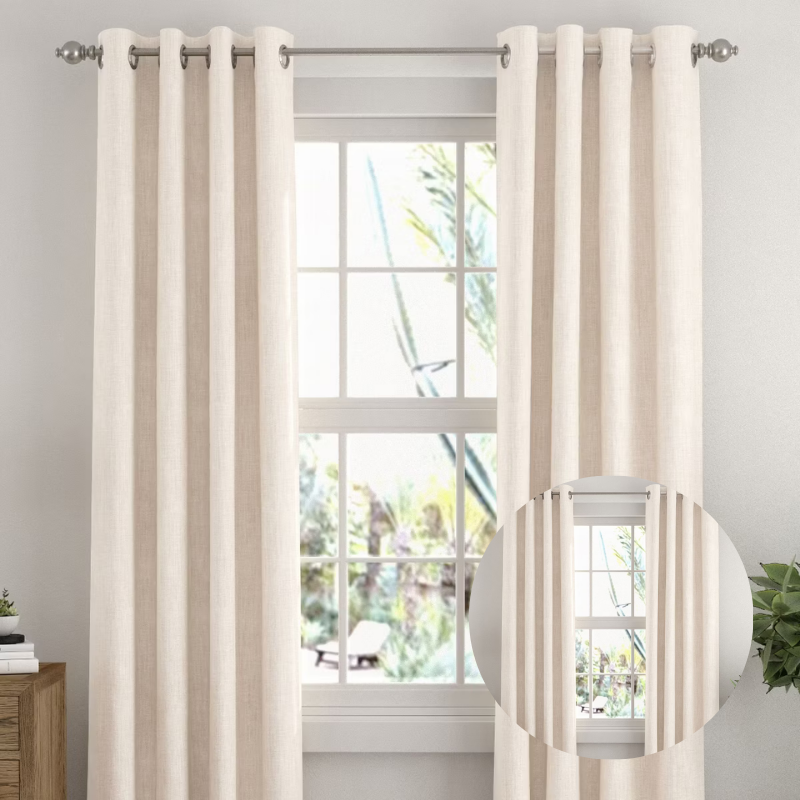
Becky Cameron Room Darkening Curtains – Thermal Insulated Grommet Panels

Becky Cameron Room Darkening Curtains – Thermal Insulated Grommet Panels

The window behind your desk is the coldest surface in the room, and in January you feel it on the back of your neck. This linen-blend panel puts a thermal layer between you and the glass, dims the glare, and slides open on grommets without a fight.

$77.85

If your desk sits near a window, you already know about the cold spot. Glass is the worst-insulated surface in any room, and in a home office where you’re stationary for eight hours, a 10 degree difference at the window turns into a space heater under the desk and an electric bill you notice in February. A thermal panel is the cheapest fix for that, and it happens to solve the other home office problem at the same time: the 3 p.m. glare that blows out your face on video calls.

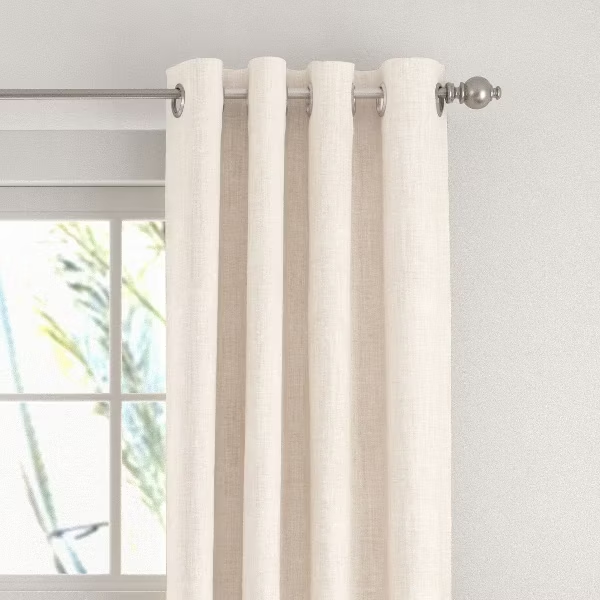
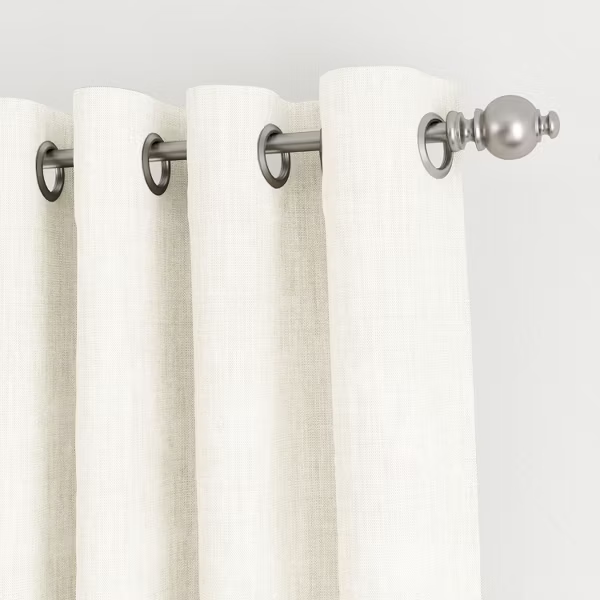
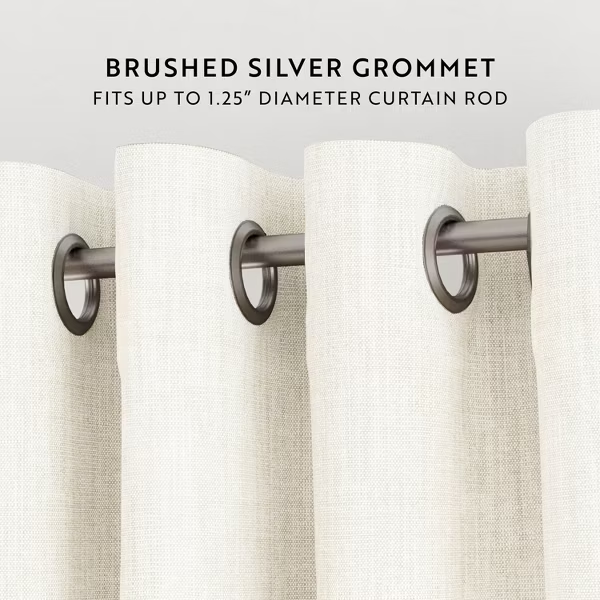
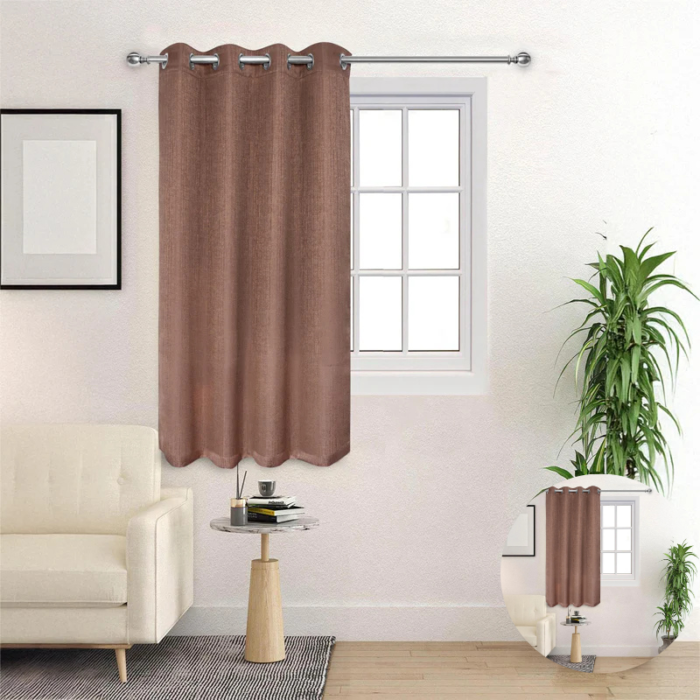
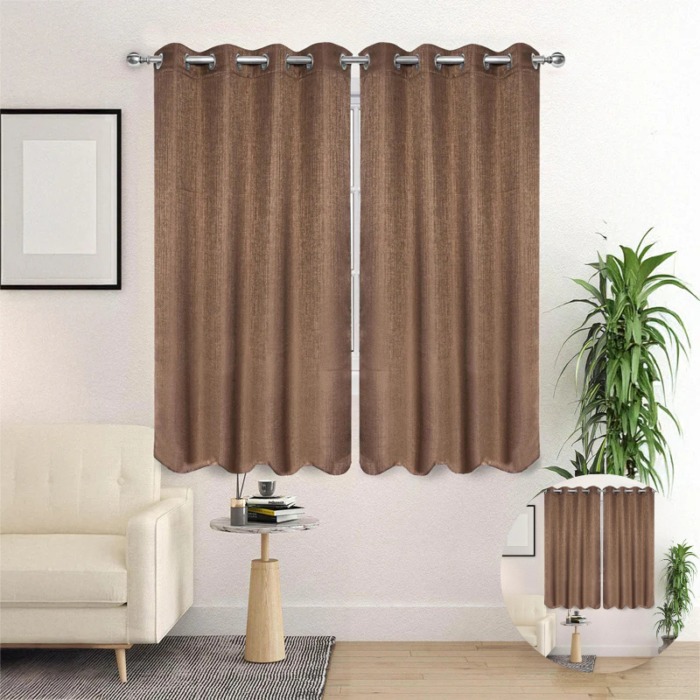
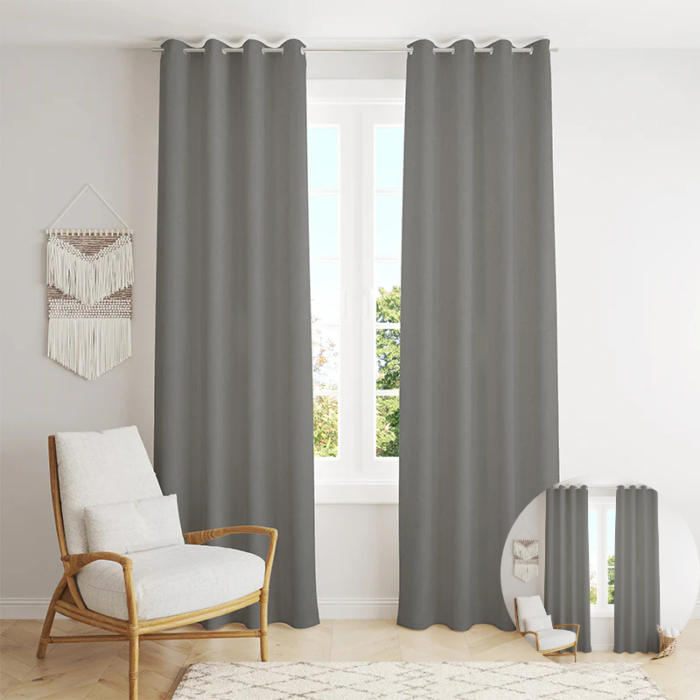
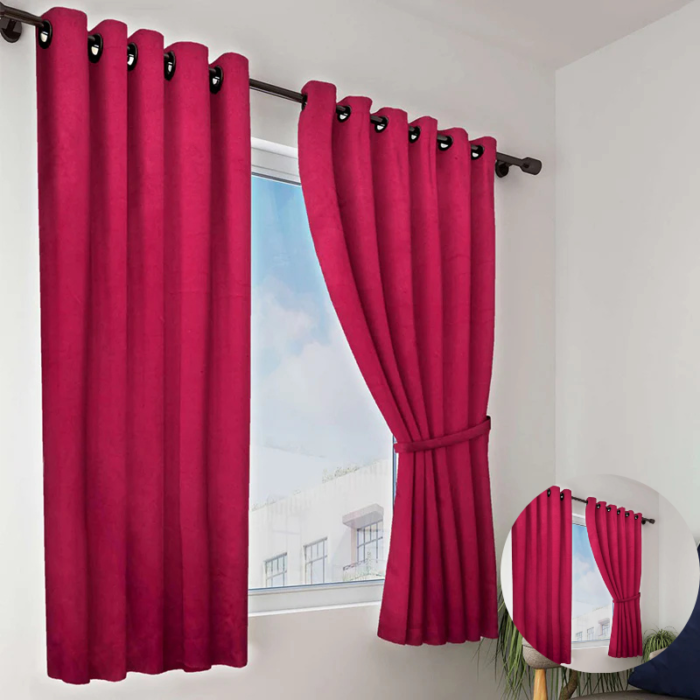
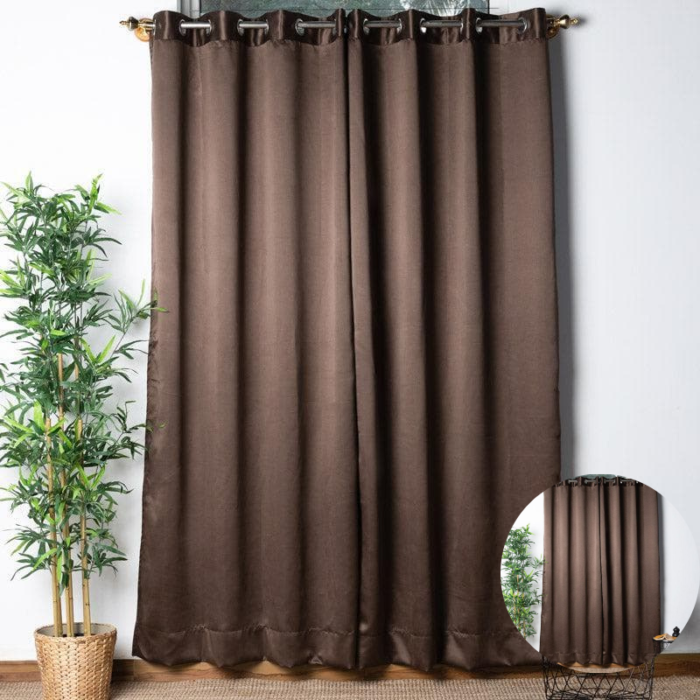
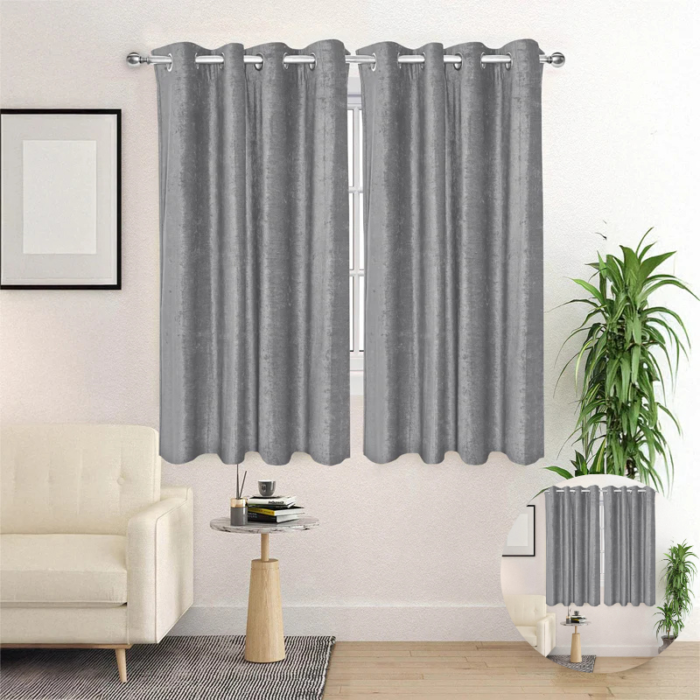
The fabric here is a linen-blend, which is a different proposition than a solid poly panel at the same price. It has a visible weave and a matte surface, so it reads as a real textile rather than a flat sheet of color, and it works in a home office that also has to look like a living room when the laptop closes. The thermal construction sits behind that face fabric and does the temperature and light work. The grommet header matters more than people expect: metal rings sewn into the top slide across the rod with almost no friction, so a curtain you open every morning and close every evening won’t become the curtain you stop bothering with. Grommets also force even, uniform folds, which gives the panel a cleaner and more tailored look than a gathered header.

Grommet panels need less width than rod pocket ones since the folds are built into the header spacing. Total width of about 1.5 times your rod length is usually enough for a proper look.

The thermal-insulated design helps keep rooms warm in winter and cool in summer, making them an energy-efficient solution while also reducing outside noise. Ideal for bedrooms, living rooms, or media spaces, these curtains create a darker, quieter environment perfect for naps, movie time, or uninterrupted sleep.

Featuring a grommet-top design, these room darkening curtains are easy to hang and glide smoothly along standard curtain rods. Each set includes two extra-wide panels, available in versatile neutral shades like ivory, light gray, and white, allowing you to style your windows effortlessly while adding an elegant finishing touch to any room.

Style Guide

Grommet is the most practical header for a room you actually use all day, and the styling logic follows from that.

Home office, the primary case. Mount the rod high, at least 6 inches above the frame, and go floor length if the desk isn’t pushed against the wall below the window. If it is, sill length is the smarter call, since a floor length panel behind a desk gets crushed, dusty, and eventually stained by whatever spills back there. On rod finish: the grommets themselves are visible metal, so match them rather than fighting them. Silver or nickel grommets want a brushed nickel or matte black rod. Bronze or antique grommets want warm wood or oil-rubbed bronze. Mixing a polished chrome rod against bronze grommets is the single most common mistake I see, and it’s noticeable from across the room.

On camera. If you take video calls, do not put this panel directly behind you as your backdrop. Room darkening fabric behind your head reads as a dark, flat rectangle and your camera will overexpose your face to compensate. Hang it on the window to your side instead, and let it diffuse the daylight coming across you. That’s the lighting setup people pay for, and a closed curtain on a side window gets you most of the way there for free.

Living room, secondary. The linen-blend texture is what makes this work outside an office. It sits comfortably against warm white, greige, or a soft clay wall, and it doesn’t compete with a patterned rug the way a heavier velvet would. In daylight the weave catches light and the color reads lighter and slightly warmer. Under lamps at night, the matte surface goes quieter and deeper, which is when the thermal backing also starts pulling its weight against a cold window.

One thing about grommets on a wide span: the weight concentrates at each ring, so on anything over about 8 feet, add a center support bracket. A sagging rod ruins the clean fold line that grommets exist to create.

Product Aftercare

A linen-blend thermal panel has two things to protect: the weave on the front, and the thermal layer behind it. Heat is the enemy of the second one.

Washing. The machine washes cold on a gentle cycle, on its own or with similar weights. Remove or protect nothing at the grommets, they’re fine in the wash, but zip up or close anything else in the load that could catch on the metal rings.

Drying. This is where these panels get damaged. High dryer heat can cause the thermal backing to stiffen, crack, or separate from the face fabric over repeated cycles, and once it does, you’ll see it as bubbling or waviness when the panel hangs. Tumble on low or, better, pull it out damp and rehang it.

Linen-blend wrinkles. Linen fiber creases more readily than polyester, and that’s the tradeoff for the texture. The fix is timing. Rehang the panel while it’s still slightly damp and the weight of the water pulls the creases flat as it dries on the rod. Wait until it’s fully dry and folded in a basket and you’ll be steaming for twenty minutes.

Grommet care nobody mentions. Every few months, run a dry cloth around the inside of each grommet ring. Dust and skin oil build up where the metal meets the rod, and that film is what makes a grommet panel start to drag and stick instead of gliding. People usually blame the rod and buy a new one.

Spot cleaning. Blot with a barely damp cloth and mild detergent. Linen-blend can water-spot if you soak one area, so use less water than feels right and feather outward from the mark.

FAQs

Is this a true blackout curtain for a home office?

 It’s listed as room darkening. It cuts glare well and dims a room significantly, which is what most office use requires, but it isn’t sold as total light elimination. For a bedroom where you sleep during daylight hours, a sewn-in blackout liner is the better spec.

 Yes, somewhat. Linen fiber creases more easily than synthetics. It relaxes on the rod within a day or two, and the aftercare note above on rehanging damp handles most of it.

Aim for total panel width around 1.5 times your rod length. Grommet headers pleat themselves, so they don’t need the doubled width a gathered rod pocket panel does.

Yes, ease of opening and closing comes up often, particularly from buyers replacing rod pocket or clip ring panels that were catching on the rod.

Listed lengths generally match what buyers report. Grommet panels hang about an inch shorter than the stated length once the rings sit on the rod, which a few reviewers note, so measure from the rod rather than from the top of the fabric.

Shopping Cart0

No products in the cart.